In Zimbabwe you should make sure that you have as much information as possible when it comes to opportunities. Even in areas you may not have time or capital for. However getting access is difficult. This is why we formed the forum back in 2015. We prefer it when we go to the ground with our members sharing latest experiences. And Premium Chats do the trick. Not everything covered in Premium Chats get outside though. So you should subscribe for access to all weekly chats.
My name is Tinashe Chingoma member of the esteemed ZBIN for over five years now
Professionally I am an accountant/auditor, however I have been into groceries for over a decade and farming for the past three years but have been on the ground full time for the past six months. The reason why I went to the farm on fulltime basis whilst I do part-time on groceries is I realized that farming can only grow kana uri paground.
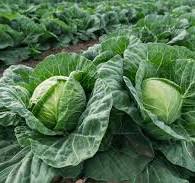
Today we will delve into cabbages;
For cabbages I will add another bonus for red cabbages and cauliflower and broccoli
With my experience cabbage is the easiest crop to grow, however it’s also a crop inogona kukurarisa nebhutsu if you mistimed. Can members please confirm, do all members understand Shona or I stick to English only? Waiting for any non Shona speaking member before I proceed,just one minute window!!
For cabbages I would recommend these varieties
- 1-kilimo
- 2-3301,10,11, Stake ayres
- 3-Lunaria
Fabiola for me handina kuridira size of the head, mumusika raizvimbira. You would end up wakudollar for 5/6 plus makoronyera vanokuwisira pasi yet radya same feeding nemahybrids ayo. Cabbages are heavy feeders who require both fertilisers nemanyowa. I did both experiments and I realized kuti asina manyowa their perfomance can’t match ane manyowa. So during off season august ikoko uko tsvagai manyowa as much as possible kumatanga uko.
Prices: Cabbage pick up prices usually from mid November up to latest of June thereabout.
Generally hector we deal with 30k plants however I recommend an extra 20% to cater for asingakure,anotsemuka, anofa etc. Also stagger them coz ukamati zhuu kaone anozvimbira iwe muridzi.
Fertilizers: I usually put between cup 22-30 for compound C, high C
Manyowa just my palm,ruoko one pagomba usina kurivhara is enough
These requirements apply to brascias family yandatauta pamusoro apo ie,red cabbage, green ramajaira, cauliflower, nebrocolli. For cauliflower please stick to twister iyoyo inovhara,macustomers haadi yakasviba
Then for Top dresser we use AN 15g per plant however spread over three times ie day 7,14,28.musapfuure day 35 musina kupedza kuisa AN kana muri musummer then musapfuure day 35 muwinter matapinda umu.
Best Period
Kana uchirima cabbage please never ever over expect profits. Kuti usage neBP work just with 100% return. Matimes 4/5 you will be disappointed. This crop is a compounding crop meaning consistence carries you through. Good margins momawana December up to April- May. Then November, June and sometimes July are survival months.
My current Kilimo yakasvika ne60 days, yes just two months ranga rasvika.
These crops dzooda mumunda makachena,plus rinoda mvura,every third day engine inenge ichiridza.
So with my experience ndoburitsa cabbage every second month for nine months
Kutenga mbeu yakabuda kudhara kune disadvantage yemaextra costs yekuti kana zvarema unozochema coz you can’t adjust your prices.
For Stake Ayres maseeds totora kucharger seeds however for those vanoenda,SA, Zambia, Tanzania ,you can get them at a fraction. Kagama ke12500 seeds kanoita $48 kucharger seeds. Seedlings akabuda kudhara anoita between $25-$30 per thousand
Saka mukatenga 4 zvigaba zviya you are guaranteed to get good seedling dze40k plants at less than a dollar (Sorry neless than $200)
Profit Calculations
Manje mukatenga akabuda kudhara makubata $1,200 same thing chandashandisa maybe $250. Cost cutting kufarming carries you through fellow members
Saka let’s do the maths tese;
- $250 for seeds
- Compound C*16 bags *$36 $576
- AN 11bags*$39 =$429
- Mishonga $100 is enough if you buy in bulk mukatenga one one vanodhura
- So we have $250+$576+$429=$1255.
Remember tiri kushandisa ndina ye36,000 plants, this is just over a hector but we treat it as a hector to accommodate for the losses I highlighted earlier. Kurima zvosiyana nenzvimbo. Kusakura haridi sora. Sorry to say this handina kufarira randakashandisira maherbicides harina kundiitira zvakanaka. Also I realized kuti mulching kutimbira kuuya the perfomance is different from asingatimbirwe. Mvura cabbage rinoda chaizvo but not too much.
Any questions before we proceed?
Sorry to say this akasakurwa perfoms far much better than ashandisirwa maherbicides
Vekusakura vacho ngavaite kakutimbira even culvate achirimadiki
So pandinoisa cabbage ndoisa futi some red cabbage,cauliflower nebrocolli at the same time. These input them in batches of just a thousand to 1500 each per batch.
Red cabbage pamunda they take ne$ for 2/3
Cauliflower nebrocolli the same maximum $ for 4
So pavanotora cabbage they then take maybe 200 broccoli,200 cauliflower then 100-200 red cabbage. Another experience as long as the batches are good and the sizes are good please vakomana vemabare,chikwanha ,Bulawayo nemutare ngavauye vatore vega.iwe verengerwa Mari yako zvekuti kumarket zviri kuita marii siyana nazvo.
Fresh produce just scan the market then price in a way yekuti you attract the correct people. Mutare market, those guys take them to Mozambique,big ones vanga vachitipa ma$ for 3 then the rest 4 and 5. So if you manage your crop well ,60% will be big ones ,.ie 18000 marova mu$6k. Balance 12k or so mowana even $2000 bho zvokuti. Inini personally ndotsvaga anything above $6000 ratorwa pamunda. That way I am guaranteed 100% profit every 3 months. If the market is good you can get as much as $10k but those figure dzobuda kana uchiri nemasmall portions kana akawanda work with $6k-$8k
Questions & Answers
Dorcas Oriflame: How is the spacing done?
Tinashe: For those hybrids please isai ma50cm-60 interrow then 60-8cm kuitira pakudiridza. Mukanyanya kumabatanidza anotambidza pakudiridza moshaya pekutsika
Lenience: Do you have a spraying program for pests?
Tinashe: Right every 3-4 days. Muchichinjanisa mishonga. Please check chemical groups kuti akasiyana here
Dorcas: So pakudiridza you only skip one day then water again?
Tinashe: No twice a week especially kana kuchipisa. For those who use big pumps I recommend rain pipes.