It was supposed to be a simple exchange of ideas between an Ok Zimbabwe representative and the Permanent Secretary of the Ministry of Finance and Investment Promotion. Appeal for regulation of the informal sector in order to protect formal businesses. This has been the norm over the past years with the corporate sector using its muscle of taxes contributions to the economy and successfully lobbying for state apparatus to curb competition from the informal sector on their behalf.
However everyone was taken aback by the curt response ‘If I were part of the Ok Zimbabwe Board, I would fire you’ Mr Guvamatanga thundered! He went on to highlight South African case studies of retail behemoths such as Checkers, Pick N Pay and others who have mastered the art of symbiotic partnerships with spazas or tuckshops and unlocking value.
In simple terms, Guvamatanga said ‘Innovate or Die—no state protection coming’
Welcome dear reader to the state of business in Zimbabwe where the informal sector is now dominating and causing serious headaches to long established businesses. With the economy estimated to be at 60% Informal, the figures are not static as the informal economy is relentless in its push for dominance.
A healthy co-existence between formal businesses and informal sector would be preferable like in South Africa as quoted by Guvamatanga. However in Zimbabwe it’s becoming a serious war with much of the formal businesses income being chipped away by unregistered businesses.
An economy in motion and catching many corporate boards by surprise and in sixes and sevens not knowing how to respond!
B2E to OK Zimbabwe Rescue
On these pages, we have extensively covered a business model called B2E or Business 2 Entrepreneur. It is not found anywhere else especially business books. Any search on the internet would produce results of Business 2 Employee and not Business 2 Entrepreneur.
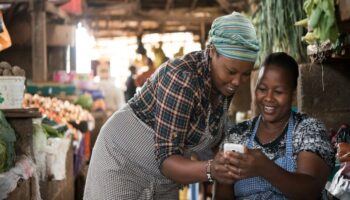
The B2E takes into consideration the current challenges in the economy of record high unemployment and dwindling disposable incomes. This has made practically everyone a hustler—and hustling is the number 1 economic activity in the country ahead of everything else.
OK Zimbabwe has been mostly using the Business 2 Consumer Model (B2C) and this has produced excellent results in the past. However going forward they need to incorporate Business 2 Entrepreneur Business Models in order to survive.
B2E Case studies
Varun Beverages the local manufacturer of PEPSI drinks started operating in Zimbabwe in 2018 and has been giving Delta sleepless nights. How did Varun Beverages achieve a significant share of the market in such a short space of time? They focused on B2E through working with vendors—those who are looking at making money. B2E is about making others make money with the largest contingent, the informal sector.
Varun took vendors as key partners and quickly penetrated the market. Meanwhile Delta is now responding to the threats posed by the new entrant but they are unlikely to recover.
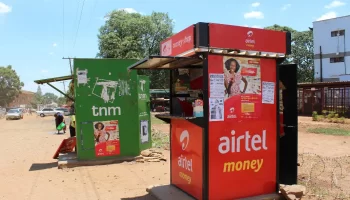
The established master of B2E is Innscor which has been working with small tuckshops for ages. Innscor through Bakers Inn delivers bread on credit to tuckshops and then collect their dues after a few hours. Tuckshop owners want to make money but have no access to capital. Therefore Innscor provides a few hours access to credit and then collect dues.
This has seen the company penetrating informal settlements such as Retreat,Eastview, Hopely, Goromonzi, Epworth, Seke and Domboshava. They have gone mobile in search of income.
Of course this is not to say the OK Zimbabwe is sleeping on the wheel as they have the OK Grand Challenge which is essentially a B2E Concept—making others make money. However this is a once off annual event and may not be enough. They also ventured into money transfers through partnerships with Mukuru, ZINARA, ZBC etc. However this is still not enough as they need to look at what Innscor and Varun Beverages are doing.
For Innscor, the proliferation of tuckshops is a good omen as it creates room for expansion!
And dear reader once more, we are not talking of theory here as in 2020 we established a crowdfunding called Nutricio which manufactured mealie meal. We were turned away by leading retail giants but turned to tuckshops using the Innscor B2E model. Results were instant as we provided goods on credit and collecting our monies later. How are procurement practices of leading retailers structured? Are they small business friendly? Or contributing to the demise of their own companies?
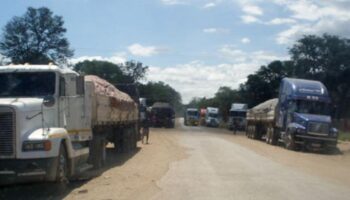
In conclusion, Zimbabwe’s Economic environment is in motion with B2E dominating. There is need for experts to take time and go onto the ground and thoroughly study street dynamics and adjust accordingly. And yes there is need for regulation and formalization of tuckshops. Smuggling especially through Binga needs to be curbed. Policy consistency important as this is the elephant in the room.