


close

Diaspora Matters

Diaspora Matters

How I started Cattle Rearing: Bond

An image of young beef cattle standing near a barbed wire fence.

Some 9 years ago, in 2014 – I was looking for land to do layers. My idea was large numbers of small stocks, consistent supply of product, a sustainable agricultural business morel. I had done thorough research, raised USD 5000 in capital and I was ready to start – I just didn’t have land close enough to my workplace.

In come this former college mate of mine, returning from SA and ready to take the market for cattle breeding. The man had worked for the Brahman Breeders Association here in SA and was knowledgeable of the record keeping, cattle calendar, breeding processes, inspections, disease control and marketing of cattle.

Preparation

He gathered 10 of us, friends from college and former workmates. Each was to put in $5000, to make it 50k. He had a small 15ha farm that his father had apportioned him from the family land and had deemed it good enough for a start. We all agreed and 10 of us signed the papers. We had 6 months to raise the said amount.

Problem 1: Of the 10 of us, at the end of 6 months only 2 had paid the required 5k – me and the guy who brought the idea. Another guy had paid $2k, two formally resigned from the initiative citing their doubts. The rest went AWOL.

Solution: During the 6 months the two of us did as much research as we could about cattle in Zim. We travelled to Matebeleland to see cattle ranges, we knocked doors on offices in the ministry and different breeders associations, we visited successful cattle breeders such as Mark Hook and Forrester, and also some up and coming black cattle breeders in the country, we attended auctions to understand the pricing and process. We improved our business plan, the business model, adjusted the budget accordingly. We tried recruiting others, and many shunned the idea, citing that the 5 year to profit was too long.

Finally, one guy was emigrating to Europe decided to throw a USD7k in – and we raised our capital to USD25k – now from 4 people.

Launch

We bought our first registered Boran Bull from Forrester for USD5500. Then started buying cows and heifers cattle from the community. We built a kraal of pole and fence – 1ha in size. We had a total of 22 females when we officially started. We continued and consistently bought heifers from the hood, at least two each every month for the three of us, one guy lagged behind as he was not sold on the idea entirely.

Operationalisation

As our numbers grew we needed labour and closer monitoring – we hired two guys from the community. Gave the accommodation, a salary and food. Our staff compliment is now standing at 10, including a Operations Manager and a resident Vet Technician who monitors and ensures animal health, keeps records and manages the calendar.

Problem 2 – Teaks and disease from cattle in the community. Rural folks dont manage their cattle as well as we wanted. So when cattle mixed ours would pick up teaks and disease. Our bulls we were accidentally servicing other peoples cows and got STDs (yes they are there in cattle too)

Solution – Isolation – we fenced off our pastures, built our own spray race (to avoid the public diptank), we quarantined the sick and new animals

Problem 3 – Small land means less food – we had to start buying supplementary feeds, especially for the dry season. We needed protein and mineral supplements, plus the starches.

Solution – Growing our own maize for starch. Its working so far but as numbers increase and as the business pivots, it may become unsustainable

Problem 4 – Bulls fighting – yes, that $5k bull starts fighting others. They need to establish hierarchy and who mates first.

Problem 5 – Uncontrolled breeding – yup, calves dropping unexpectedly are a problem, the mothers needs specialised care, you dont know who the father of the child is, and you cant know the performance of the bulls.

Solution to problem 4&5 – Keep the bulls away, and put them in twice a year for a period of two months each. It reduced the cost of managing the maternity ward (we know when we need to have our Vet doctor close), synchronised weaning and ended the bull fighting as each bull would go to a separate paddock of 40-50 females for 2 months., Afterwards, the bulls come back to their kraal. They never fight when there are no women to fight for – apparently. This also helped us to have “same age steers” which can be taken to auction together. Controlled breeding was a game changer for us.

*Commercialisation*

The 4 of us – shareholders – have strategic roles in the journey of our business. We have a

– Research & Development person who researches constantly on possible operational improvements, improving the business model and carrying capacity

– Finance Person – budgeting for strategic expansions and business growth, prioritising on ideas and options

– Community Relations – engagement with community and other key stakeholders

– Operations and Logistics – sourcing materials that we need and managing inventory

We have bought a number of farm implements to make our business efficient – cattle handling tools, borehole and a trucks. We are seeking a baler and a tractor for this year. We also have a motorbike for our operations manager and vet, to improve their mobility and availability.

Our herds are managed in 4 permanent groups

1. Bulls

2. Active Cows

3. Weaners

4. Bulling heifers

and temporary groups

1. maternity group

2. steers going to the market

3. new arrivals

4. hospital

Our numbers are closer to 400 now, with 8 active bulls.

*Pivot*

In 2020 we were operationally certified as Boran Stud Breeders, after a long gruelling journey of improving operations and transparency in record keeping. We are therefore focusing more on quality than quantity. This is the elite cattlemen’s club.

We are also moving into pen fattening, so we dont sell our steers for the cheap.

*Critical Success Factors*

1. Community – our community relations person was highly effective in engaging the community. We get maize and stover and extra pastures from community members, we give them milk everyday. They also help protect our cattle from thieves. Sometimes we do community auctions for people looking to buy oxen for draught power. We even have people who buy dead cows to feed their crocs, and some who bring broiler droppings to us for free.

2. Planning & execution – we always have a 5 year plan and a 2 year plan both being executed concurrently, we monitor and improve consistently

3. Staff – we live our team, we resource them and send them for training, we also pay them good salaries and benefits

4. Learning from the best – everything we did was not an innovation. We copied from other bigger market players

Who am I?

I am just another IT guy who hangs around people wiser than me, eager to learn and eager to teach for the betterment of the society I live in. Through all this, I have learnt deep lesson in personal finance, business, insurance, taxation and life in general.

I did not start the cattle business, I was fortunate to buy into the idea early. I have other businesses that we can talk about some other time.

Zvimwe zvacho zvinoda round table – but hamuuye kumisangano.

Loading

read more
Diaspora Matters

Lessons from Mr Mwandayi of M&M Holdings

Mwandayi

The name Mwandayi is well known in Honde Valley including most parts of the Eastern Highlands.

It is a business name from the late Mr Mwandayi who passed on in 1992 after a long business journey that began in 1948.

I welcomed an engagement from the family during the Easter Period back in April. An engagement to restructure the business and maintain the legacy of the founder.

More about Mr Mwandayi

Despite being orphaned at an early age, he rose despite the odds to set up an expansive business.

His seed capital: Hawking beads and bangles in exchange for agricultural produce in Nyanga (Chikomba Area) and selling in Rusape.

He used funds raised to set up a business in Hauna amongst people who had relocated from Tsonzo area in Mutasa.

The business expanded into a GMB Approved Buyer, Wholesale, Supermarket, Butchery and Bakery.

Business Model

His main business was buying grain from farmers and selling to GMB.

Transport farmers with their grain to his shops. Weigh the produce and pay them.

In return farmers would buy from his supermarket and later get free transport back home!

So most of the money in Honde Valley circulated in his hands. He bought 7 brand new trucks to ferry farmers and their grain and had Tax Authorities sending whites to do his tax computations!

Pause and calculate the present values of 7 brand new trucks to appreciate his phenomenal achievements.

Despite little education background, he endured all children had access to education including female children.

After passing on the children took over as he had groomed them well but most of them had married and living far away from the business.

Then 2008 happened…And adversely affected the business.

So 30 years after the demise of the founder we assembled at Mwandayis business and brainstormed on maintaining the legacy.

We took stock of what had happened and putting in place mechanisms for new strategy implementation.

I enjoyed the business ventures for vazukuru, the future Mwandayis.

The DNA has to continue for centuries!

To you entrepreneurs for legacy purposes, invest in commercial properties irrespective of location.

The money capital will inevitably evaporate but infrastructure will remain and becomes a starting point for future generations!

If you go visit the Mwandayis, there is ongoing progress with a new surgery being put in place. New lessees are coming up too.

The Girl Child? On inheritance planning don’t leave out the Girl Child. Yes they maybe married and start own families elsewhere but the Girl Child is passionate about legacy. Great checks and balances too!

So deeply ingrained in the success and maintenance of the legacy of Mr Mwandayi.

A business hero you are unlikely to see recorded in business books, but on ZBIN we will capture his story in our 2023 Book.

Loading

read more
Diaspora Matters

Business Opportunities in Hauna/Honde Valley

bananas

Location: North Eastern side of Zimbabwe, a distance of 96km from Mutare. Area is bordered by Mozambique to the East and from Hauna Business Centre the Moz Border is 40km away,

Hauna Name Source: What is the link between Honde Valley and Hauna? Well Hauna is in Honde Valley. So where did the name Hauna come from? According to legend, in the 1940s white settlers bought a farm and decided to relocate locals using a segregation system;

Une mari? Yes enda kuline uko uchagara pa farm,

Une mari? Hauna? Join queue iyo,

So those without cash found their way to the tsetse and mosquito infested Hauna area. So Hauna basically means Hauna Ca$h but is this necessarily true? Far from it—Hauna/Honde Valley could be argued to be the richest district in Zimbabwe! Blessed with rich red soils, constant water supply with most villagers connected to piped water what else can rural villagers ask for? Sprinkler mumunda?

Fruits & Veges: Your source of bananas, beans, avocados, potatoes, magogoya, oranges etc

Hauna Business Centre

I had a professional engagement of business scale up meeting over the Easter Holiday and enjoyed the slow development at the place. Population steadily rising with services such as grocery shops, hardware shops, small business manufacturing, flea markets etc. Ideally business centres should be developed through mega loans or institutions such pension schemes—NSSA, Old Mutual etc. However like the rest of business centres in Zim, development is funnelled through private investment hence slow development.

No bakery: Bread comes from Harare which is +300km away or Marondera. Previously bread used to be baked at the expanding business centre and a bakery exists and is lying idle,

Agro-processing: Zim is throwing away food –can you believe it? A lot of fruits just going to waste as locals have access to market challenges. An agro-processing plant was set up and is gathering dust—unbelievable! Perhaps private players should simply move in and tap into the agro-processing opportunities. Azere mabanana –avos, oranges, guavas—some transported to far and wide but there is still a lot more discarded.

B2E Model (Make others make money): Don’t cry foul when the Chinese take over the place as they are making inquiries.

Tourism: With Mutarazi Falls enjoying a lot of publicity, then tourism players—your opportunity on a silver platter,

If you prefer fully built areas—then stay where you are, But if you enjoy building and creating new opportunities then Hauna is the place for you.

To returning diasporas, include Hauna for exploration purposes. Target fresh produce for exports! If you fail to get land then consider leasing it and a lot of outsiders are doing it.

Loading

read more
General

2023 ZBIN Calendar

fredn

The year 2022 was no doubt was of our most action filled years with a lot of activities that included a Seedco Field Trip, Cruiseships Job Fairs, Business Showers, Suburb Chapter Meetings and others. We return to more activities in 2023 after a break and our first meeting was held in Mutare and was followed by the Carnival Cruise Liner Zbinites. The Carnival meeting was a historic one as it marked the first ever launch of our main staple food-sadza!

We will share the dates for the launch of the Business Showers as we seek to build on the 2022 momentum. We will also add business tours to Chiredzi and Honde Valley and be sure not to miss them.

Our South Africa Chapter will continue holding regular meetings and in Botswana we hope to hold our first forum meeting.

So keep checking the forum and do not be left out of the many events coming.

Loading

read more
Diaspora Matters

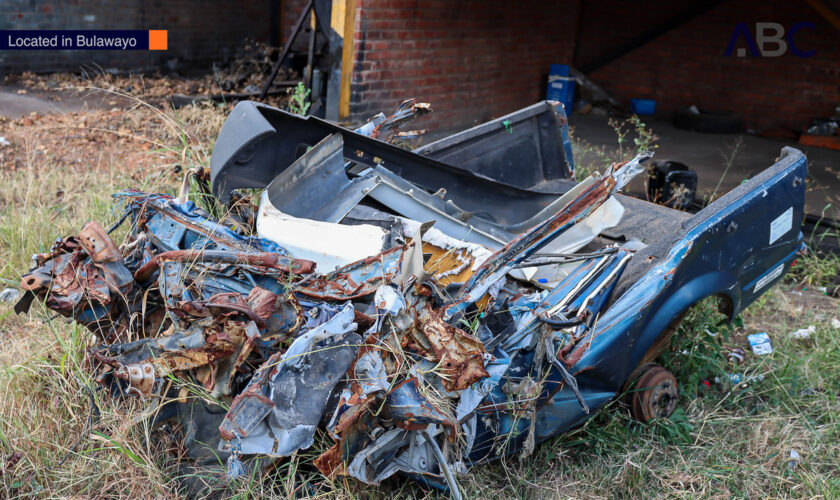
Scrap Metal Opportunities in Harare

no thumb

How much do you know about scrap metal in Zimbabwe and the opportunities associated with it? One of our members who is an engineer by profession shared insights of opportunities in the area. The hope is that this may help inspire Zimbabweans to appreciate the value chain and tap into related opportunities.

Scrap metal is the backbone of Magaba and Mbare as a whole. The Chinese recycle scrap metal to make that steel for that double storey that you are staying, that double lock-up garage that you stay in, burglar bars, tank stand etc. I can write a whole book on what they make with the crap metal. Another key secret is that the steel is never enough. You have to do under hand dealings in order to get the steel.

My only problem is that no Zimbabwean national is making end products from recycling steel.

They all want to be retailers in Mbare, Willowvale, Msasa etc. The sad thing is that they are satisfied. Even the millionaires do not want to venture into this.

Here is the logic. They buy scrap metal at around US$200_$250 ( from Zimbabweans). They then melt the steel oxygenate it and make the above mentioned steel products. They then then sell to retailers (Zimbabweans) at around US$750. Who in turn sells to you from US$850 to about US$900 to Zimbabweans.

The retailers make a lot of money but why get a slice when you can have the whole cake? We have programmed ourselves to be consumers even on things that we can manufacture ourselves.

Vhuka.

Loading

read more
Diaspora Matters

Cruise Liners Vacancies for Zimbos

Symphony of the Seas

Cruise Liners Vacancies for Zimbos

When it comes to foreign jobs fears of humantrafficking or scams come into mind and for these reasons, many fear anything to do with these jobs. Recent cases of human trafficking in Oman have exercbated the situation. So mention cruise line jobs and many will be quick to dismiss the jobs but how is the situation?

The good news is that many Zimbos have been getting jobs on cruise ships and on the forum we have more than 40 who got jobs this year.They paid nobody a fee for facilitation but instead went through a process of mentorship fromthose who are already working on cruise ships, shared notes with others and applied for the jobs.

Picture of a cruise liner

This is essentially a massive hotel on ocean waters with some having capacities up to 5000 and beyond. Guests on holiday need tonnes of services support such as entertainment, accommodation, food, security, clothing and more.

This calls for professions such as plumbers, carpenters, tailors, chefs, jewellery sellers, nurses, musicians, servers, receptionists, accounting clerks etc

Top recruitment sites

www.carnival.com/careers

www.careers.royalcaribbeangroup.com

You can search for tens of others on the internet. You search for vacancies where you qualify and then register online(its free).

You will be asked to load a resume/cv and make sure its short and neat.Look for resume templates of your field on the internet as well.

A pre-screening interview will be done whereby you are send interview questions which you need to answer and they come with a set time frame.

If successful on the pre-screening stage, a Zoom interview is scheduled and make sure you look professional and you are well prepared for it. If in doubt engage professional interview coaches.

They do not take long before giving you feedback with some fortunate being told they are hired before the interview is finished.

Do not worry if unsuccessful as you can always try again.

Those successful are sent forms they have to fill out and have to undergo medical tests and when successful apply for visas. From visas one buys an airline ticket and fly out to their workplace. The costs of medical tests, visas and airline tickets range from $1100-$1300. Most recoup these costs within the first month of working.

Delays may come due to embassies being swamped with applications but on average 3-4 months one should be able to get it.

Salary ranges for lowest paid jobs are $600 and for top jobs from $6000 and include benefits such as gratuity and tips. Accommodation and food is provided.

So there you are search for jobs you qualify and do your application today. From the forum more than 40 have been recruited this year and each week others are being recruited.

Once more this is a self application process and do not pay a single penny to anyone for cruise liner jobs.

Loading

read more
Diaspora Matters

Incorporating Informal Sector Insights into Corporate Strategies

vantu

In crafting corporate strategies most companies often carry out and review a lot of research data on the business landscape which inform them on best courses of action to pursue and monitor. The strategies crafted become the guiding compass in navigating the fluid business landscape which has been classified as VUCAH (Volatile Uncertain Complex Ambiguous and Hostile). One area often left out or not adequately covered is the impact of the informal sector on corporate business strategies. With Zimbabwe having the second highest per capita informal sector on earth (second after Bolivia), every business can therefore only ignore the sector at its own peril.

It is estimated that between 80 to 90 percent of Zimbabweans are engaged in informal economic activities, and that the sector, which is also linked into supply chains and the formal economy, accounts for 40 percent of Zimbabwe’s GDP.

The informal sector is often viewed with different lenses; firstly, in a positive way as a safety net, provider of employment, a key driver of economic development and innovation. A stimulator of private ownership and entrepreneurial skills.  Secondly; viewed more negatively as a whole segment of society that escapes regulation and therefore as a vast area of backwardness, poverty and unsanitary working conditions. The sector also plagued by criminal practices such as smuggling and tax evasion practices.

Lessons for the corporate sector

One of the biggest problems from a monetary policy perspective is financial exclusion of the informal sector. An estimated US$ 1,5 billion circulates in the informal economy and this comes at a huge opportunity cost to the overall economy. This is a significant amount with risks of continued expansion unless concerted efforts are taken to incentivise financial inclusion.

There are also some industries where the informal sector now has absolute dominance after crowding out the formal sector. According to the Reserve Bank of Zimbabwe the 2021 gold mining output shows that artisanal miners officially provided 18,4 tonnes, whilst official channels provided 11,1 tonnes. The figures exclude massive smuggling of gold as revealed by Home Affairs and Cultural Heritage Minister Kazembe Kazembe. It is therefore official that most of our gold is coming from the informal sector! There are other sectors of the economy where the informal sector has a significant share such as the clothing sector. It is also important to note that when big monopolies fell such as ZUPCO, ZISCOSTEEL and CSC, the informal sector filled the gap.

Small businesses are also market developers especially in new areas where big brands take time to enter and therefore short run monopoly profits for small businesses before retail behemoths pounce on the markets. The growth of peri-urban areas in Greater Harare such as Domboshava, Goromonzi, Seke and others has spurred the rise in small businesses that are enjoying first mover benefits before big brothers follow the profits trail. In neighbouring countries, Zimbabwean products are being pushed by cross border traders into countries such as Botswana, Mozambique, South Africa and Zambia. This creates room for big corporate companies to explore regional market expansion potential as follow on movers.

Apart from dominating certain industries, small businesses also pose serious competition to established big brands. Some are even getting tenders ahead of industry market leaders. Whilst the local manufacturing output shot up sharply in 2021 due to a number of factors such as forex auction system funds access and also to a large extent due to border closures. The honey moon maybe slowly coming to an end as more imports floods the market. The competitive advantage the informal sector possesses is sensitivity to consumer needs and flexibility in addressing them. There is no much time lost in boardroom brainstorming and related bureaucracy in responding to market dynamics. As for new foreign businesses, they may need to study how Pep Stores quickly retraced its footsteps back to South Africa a few years back.

Most value chains incorporate the informal sector in one way or the other posing risks and opportunities. Some incorporate them directly and therefore creating linkage opportunities for B2E (Business to Business). We have case studies such as Delta through small liquor shops and Innscor which partners with tuckshops in bread supplies. Old Mutual also provides formal space for small businesses.

It is interesting to note that in some cases what big corporate companies may ordinarily classify as consumers are in some cases small tier businesses that come in between their businesses and final consumers. Opportunities for big corporate are also emanating from efforts from several development partners working on income and livelihoods projects. The development partners are employing strategies of formal linkages between established retail brands and small businesses in order to facilitate markets access.

The informal sector is collectively still behind in standards and complexity but there are emerging pockets of excellence. The sector is benefiting from absorption of a lot of college graduates and also seasoned experts who are either retrenched or retired from formal employment. Some diasporas with access to advanced technologies are also engaging in the sector allowing technological knowledge and skills transfer such as small scale crypto currencies trading.

Despite a plethora of challenges such as dwindling consumer purchasing power, lack of working capital and intense competition; Zimbabwe’s informal sector has been resilient. The COVID-19 pandemic however increased its vulnerability and more recently the Russia/Ukraine conflict which has pushed up prices through imported inflation. Control measures such as waging a crackdown on informal street vendors, criminalising their activities and tearing down their stalls have not helped either. Studies have shown that only 1 out of 5 businesses survive beyond 5 years reflecting the tough survival environment of small businesses.

In conclusion we can draw lessons from across Limpopo where the corporate sector has not ignored developments in the informal sector but has resorted to meeting some of its needs. The emergence of informal savings clubs, stokvels and burial societies has seen some financial houses and retail shops coming up with tailor made packages to cater for the growing sector. Big retail shops such as Shoprite has also entered the Plazas Industry through partnerships with small business owners and in the process helping to formalize targeted business operators. SPAR partners with small scale out growers who supply them with agricultural products.

For Zimbabwe, the informal sector is here to stay and is set to expand as more involuntarily join it. By not renewing the work permits of 200,000 Zimbabweans, the South African government by default signed transfer letters for the affected workers to the local informal sector.

It is therefore imperative for the corporate sector to incorporate informal sector researches, insights and dynamics into their corporate strategies. They need to look at the evidence based data with opportunity and risks lenses. Opportunity lenses in markets development, value chain linkages and reaping the financial inclusion dividend. Risk lenses in terms of competition, smuggling of goods and tax evasion—the more the informal avoids tax payments, the heavier the taxes the corporate sector has to shoulder. An informal sector insights and analytics dashboard is therefore of critical importance in business planning and reviews.

Loading

read more
Diaspora Matters

ZBIN Launches 2 Help Lines

emergency

In order to help our members get help efficiently, we have launched 2 help lines that are found on our Facebook Group Zim Business Ideas & Network.

Dodoma Emergency: Involved in any sort of emergency? Then go to our Facebook Group and type ‘Dodoma Emergency’ and post your issue. Our members maybe able to assist.

Bujumbura Wanted: Looking for any goods or services? Then like above, type Bujumbura Wanted and post your needs and our members will be able to assist.

The 2 posts likely to be buried by a lot of posts so unlikely to be on top but when you post on them, they will bump up so that others can assist you.

With time we hope to add more help lines and in future they maybe developed into full mobile apps.

Loading

read more
Diaspora Matters

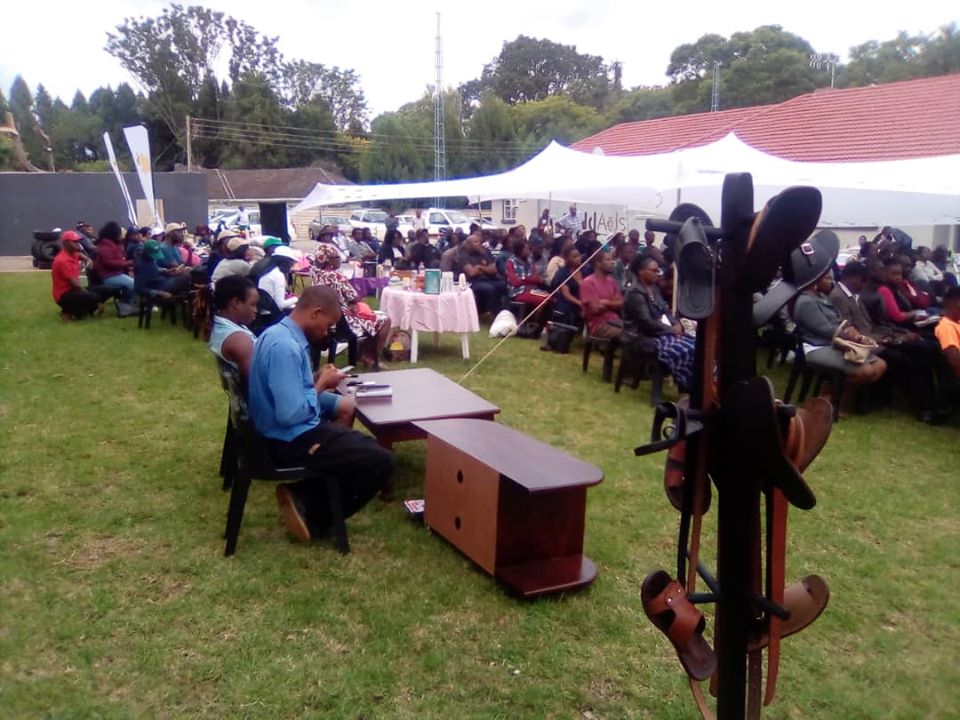
Bulawayo Meeting Outcome

Kooi

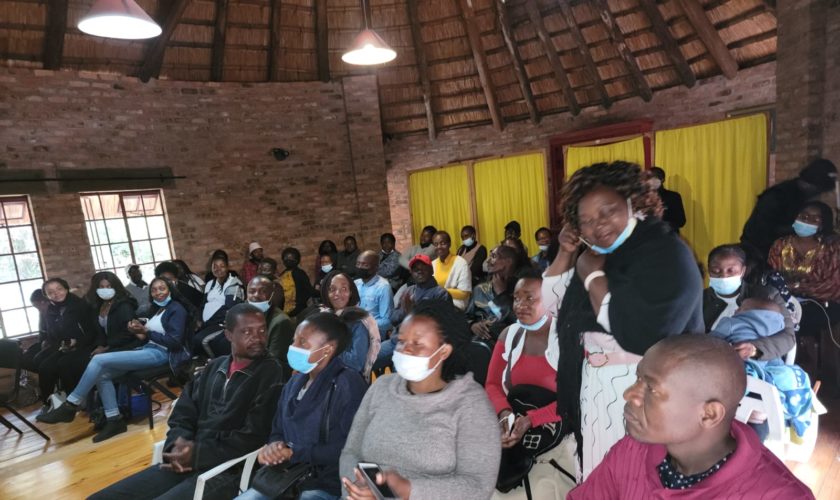
Holding small business meetings is one of the toughest jobs in Zimbabwe. Getting more than 10 small business owners to attend a meeting looks easy on paper but not so in real life.

Our forum values networking as this unlocks plenty of business opportunities such as access to markets, sharing of resources and access to capital through crowdfunding. But for small business owners to leave their busy work and find time for meetings that would be asking for too much.

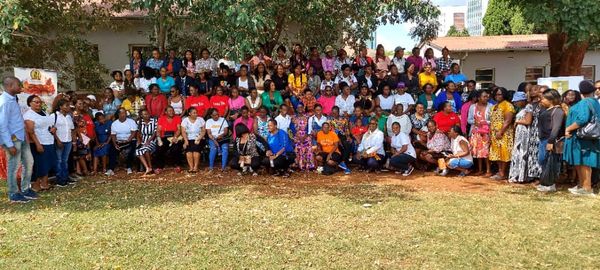
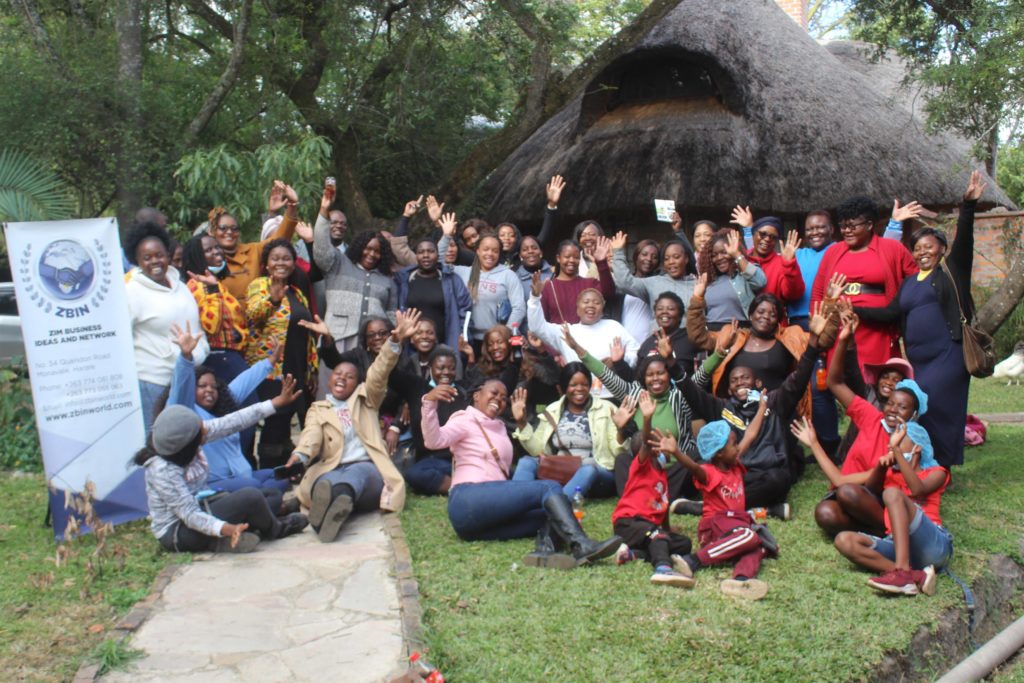
In Harare and South Africa we have made significant strides in mobilising our members to attend meetings leading to a massive 300 members attending our meeting at Capitalk FM in 2020. Bulawayo has been a struggle with not more than 7 members attending meetings over the past 7 years. Some even opted to travel to Harare for tours instead of Bulawayo.

We finally got the formula correct on the 5th of February with 19 members attending the forum meeting. Now we can safely say we have members in the second capital. Reliance on online numbers is tricky as anyone can join a group even non residents.

So successful meeting which will unlock plenty of opportunities for ZBIN Bulawayo. We wish them well in the crowdfunding initiatives which they will embark on.

Loading

read more
Diaspora Matters

2022 Business Opportunities Book Launch

hute

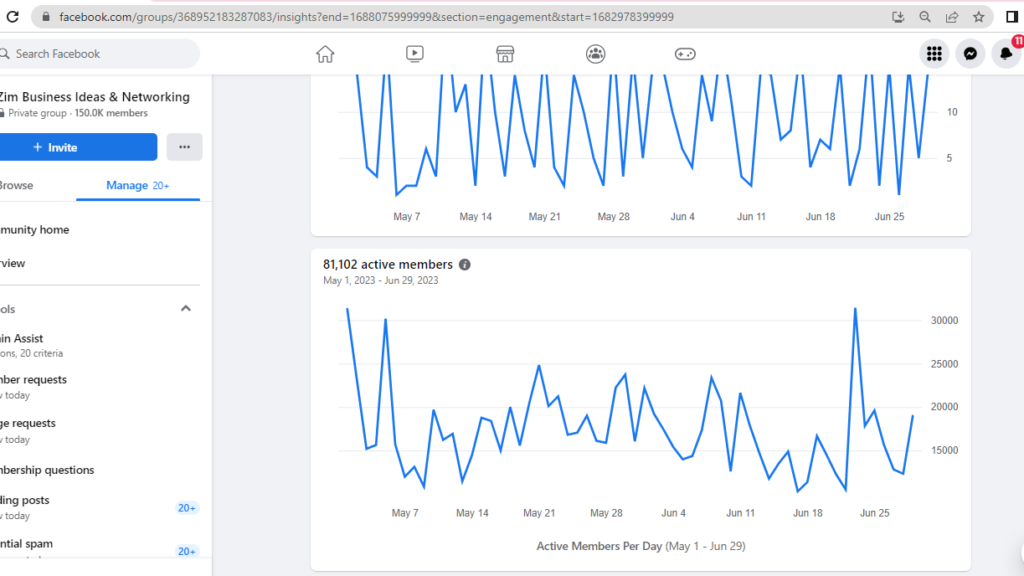
Compiling books on opportunities is a daunting task as one cannot just sit behind a desktop and start writing about opportunities. One needs to research, experience entrepreneurship, conduct field tours and carry out a lot of surveys. The good news is that our forum now has 100k active members and therefore our book shares their experiences, insights and contributions.

This helps explain why it takes us 24 months before publishing new editions. Our past Business Opportunities Books include the 2018 and 2020 editions with the 2020 edition available for free reading on this site on the resources page.

So 2022 we give birth to an another exciting book which we hope will inspire you particularly college graduates exploring available opportunities in the country and across the globe.

The book contains 8 chapters which include farming opportunities, Business Plans –6 business plans, Advanced digital marketing, Clients experiences, Premium Chats, Zimbo Discussions and Risk Management.

A new inclusion is business plans which is essentially a spoon feeding initiative and also includes start advice to diasporas considering relocations back to Zimbabwe.

Our interest in the B2E model is apparent as shown by the noise we made in 2021. To those always asking what businesses they could venture into? Our answer is enable others to make money–Business 2 Entrepreneur. We covered in detail this model with a couple of case studies.

Zimbo Discussions Chapter is another exciting chapter that covers a few top forum discussions on business with more than 50 forum members providing feedback through comments.

There is little material on practical digital marketing in Zimbabwe–what works locally, so our advanced digital marketing chapter covers local experiences on digital marketing and written in simple to understand language. This is our follow up to Digital Marketing introduced in our 2020 edition.

Our Premium Chat covers some of the premium chats hosted in 2020 including Maputo Opportunities, Angolan Opportunities, Auto spare parts opportunities, Hybrid Paw Paws and our own forum experience of one of our companies that manufactures mealie meal.

Why did we include the Clients Experience Chapter? Zimbabwe is generally a poor service country but this creates opportunities to those who plug the gap. We have personal experiences from Thailand and how this can be implemented locally and outclass competition.

We end the book with Risk Management viewing risks as opportunities and also as less benign. A couple of areas such as ponzi schemes, cyber security, practical case studies of risk mapping and forum contributions too.

We do not want to beat our own drum but believe we have just published one of the best books on business opportunities in the country. And the book will help inspire future readers as most of what we covered is timeless.

The book is for those in entrepreneurship, those contemplating joining and those interested in analysing business opportunities in Zimbabwe.

The book comes out this week and being sold for US$5 per print copy (This includes automatic subscription to the forum), the print copy is available for US$20 and also includes automatic forum subscriptions.

Our contact numbers are +263774081808 for Whatsapp or +263773 055 063 for direct calls.

Loading

read more
1 11 12 13 14 15 89
Page 13 of 89