The writing is already on the wall for the NGO sector as traditional development partners are switching to trade and partnerships. Funding cuts now the order of the day with some even closing.
I have been engaged by a few International NGOs and covered this content.
- Family Financial Literacy
- Leveraging on skills acquired and exposure to business
- The future of opportunities
- Untapped Opportunities in Zimbabwe
- The Learning/Experience Curve
- Wearing many hats (Systems)
- Balancing Short, Medium and Long term
- Business Opportunities Identification Skills
- The B2E Business Model
- Crowdfunding & Partnership Model (Opportunities & Risks)
- Up-skilling
- Relocation (Opportunities & Risks)
- Virtual Opportunities
- 5 Short Business Plans
- Unwillingness to change course—and paying learning costs.
- Case studies of former employees
The most difficult topics are 1) Identifying Opportunities—A key skill not formally learnt at school and college, (2) Balancing Short, Medium and Long term cashflow management in the current VUCAH environment and 3) Appreciating the B2E Business Model (B2E doesn’t mean Business 2 Employer) , 4) Wearing many hats in systems development. Finally the Learning Curve—which often comes with heavy losses, but part of business life.
In Zimbabwe you can find a person juggling 5 businesses—Which is very confusing and one could be tempted to ask the rationale of doing it. Even running a small business which barely manages to Break Even. But there is a very good reason for doing so—it is not the main business.
It is almost impossible to juggle many roles as a first timer—but this is what the economy is demanding—being thrown to the deep end.
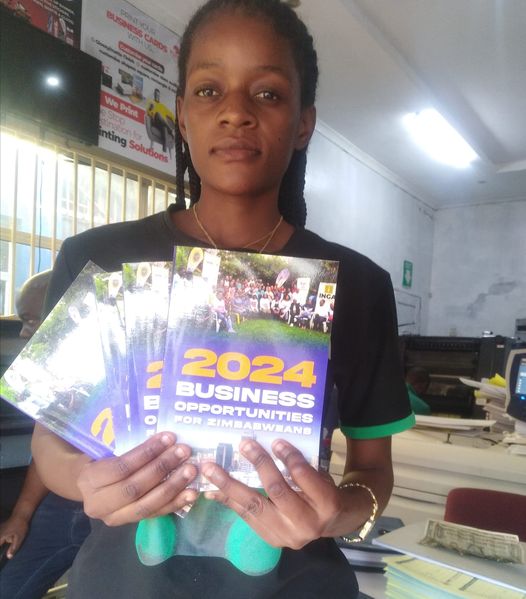
Lucky enough—this forum has almost a thousand articles. Our Facebook Page with 10,000 posts and loads of activity on our Whatsapp Forums. We have also compiled 6 books over the last decade.
Therefore do not just focus on Financial Literacy which has a lot of experts—focus more on what will be keeping you busy for the rest of your life. And you need tons of exposure.