One of the best entrepreneurial shows in Zimbabwe is our Premium Chat Show which we host every Friday evening. We invite our members to share their experiences, and sometimes we even reach out to experts for presentations. Premium Chat shows are part of subscription benefits which is $10 per year.
We share below a premium chat done in 2023-therefore a bit outdated, but the content still valuable for your decision making. The premium chat was hosted by our member Tinashe Chingoma.
Today we are going to dwell much on tuckshops.
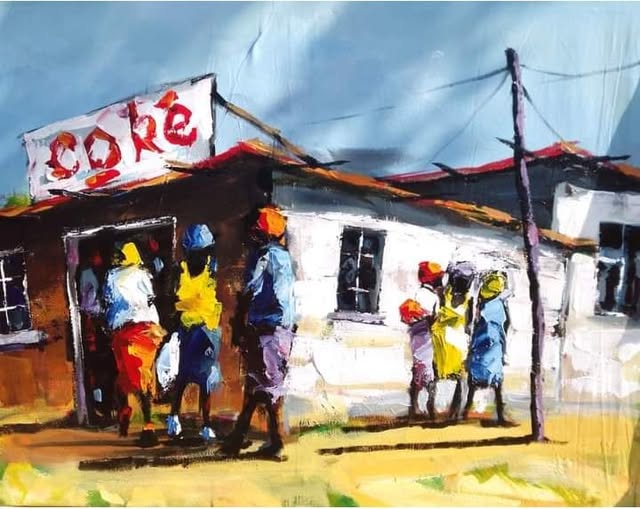
Recently the CEO of OK Zimbabwe arguably the biggest retailer in the FMCG market complained that they are likely to get out of business due to the influx of tuckshops. When we talk about tuckshops we merely refer to small convenient shops which has sprouted around all towns and cities.
Way back especially 90s they served as convenient shops but of late they have be one the hub of retail and family needs have been able to be met at the same level as OK,TM etc
The major thrust today will be
1-financing
2-marketing
3-product pricing
4-procurement
5-business tactic/season approach
5-growth/survival phases
6-wealth creation
Financing
This is one of the crucial parts in this business. Hakuna Mari Shoma and I repeat hakuna Mari Shoma kuti utange yako tuckshop.
The major thrust is what your customers want. Identify customer needs
- Those needs will determine what you have to put in your shop
- Let’s say hauna Mari une kana $1000 only kana $500
- Look at you location
- Consider what you want on a daily basis
- I am referring to basic needs like bread, milk, rice, mealie meal ,eggs etc
- Those are the things you stock first
If you stay in a high density suburb you have to incorporate maputi,mazepe,sweets etc.The good thing about those products is you are able to put mark ups of a minimum of 10%
If you stay in Harare you are blessed, generally Harare inodhura
Chitungwiza has tough competition. So if you have like $500 unotanga
Target to sell $100 per day
Every cent every revenue ngaidzokere inohodha
You get something like $10-$15 profit per day
Meaning kuti you have a chance of creating excess of $400 profit per month kana watanga nestock ye$500
Please when your capital is so low concentrate on fast moving products
Put all your effort on those products which fly off the shelf
Don’t over stock things like rice,sugar,cooking oil etc
Zvobata Mari apa mamark up azvo are as low as 5%
Right let’s look at those whose have like anything beyond $2-3000
Walk around your area and do a smart survey
Ona kuti vamwe vanei?
Ona zvaunotengawo on a daily basis.
Ona zvaunotsvaga uchishaya.
Put all that together because we will be going to our second part which is the crucial one.
Procurement
Always strive to procure from the manufacturer
Of the manufacturer insists on accounts opening find out the requirements
Kana usingagoni wega Batana nevamwe
Usually indians put minimum orders per item
Please zvegodo chimbosiyai,batanidzai
5% difference in prices iyoyo yakakosha
Manufactures we are talking about
- Delta
- Varun
- Trade kings
- Mega market
- Surface
- Pure oils etc
You also need agents like
- Gain
- Evolutions etc
These companies will be relatively cheaper than wholesalers
If you have access to rtgs at good rates it’s also Ana advantage
Let me give you an example
TM is selling cooking oil at $19900 today…pure drop
A box of pure drop is going for $23.50 in the market,surface is selling at $23 but minimum truck re700 boxes
So if you get let’s say rate re7300 your box maTM rinenge raita $21.80
Wotengesa hako mafuta Ako ne$3
Those basic maths ndodzinoyambutsa manje
Foreign procurement
Major sources dzezvinhu zviri muzim
- South Africa
- Zambia
- Mozambique
- Malawi
- South africa-bulk of the products in Zim comes from SA.Even sugar is now being imported from SA.
Zambia-few but high return products
- Milkit
- Sweets
- Kombucha
- Joe biscuits
- Shake n sip
- Wildcat etc
Malawi
- Pads
- Mosquito coil
- Mosquito repelant
- Doom
- Shoe polish
- Hair products like dark n lovely
Mozambique
Almost similar to product from Malawi but they have rice and rice product as extra
*Modes of procurement*
Direct procurement
You decide to buy directly from SA etc
requires hands on
If you are still small you would need to travel to say go to shops like cutlrice ,SA shop etc
So Tuckshops rite those in downtown wats their capital outlay out of interest
You wrap your goods give them to malaicha and come to zim
To survive in downtown you require a minimum of 60k
Option 2 in direct procurement is you rely on marunner
Mambuya anoenda vohodha iwe wohodha kw ari
You can choose to specialise then you would require less capital
T Gomendo: These ones who independently supply tuckshop
If you have access to good rates then you swipe on wholesale markets like Gain,Metro etc
Of late there is a ZIMRA list which clearly define goods allowable for duty waiver
Tuckshops market themselves through pricing and availability of goods
Your pricing should be competitive
Some tuckshops are resorting to specialisation
Eg we are in a very hot season you can choose to specialise on liquids
Drinks
Yogurts etc
Revive
Pepsi products are a hit
You open an account with Varun ,Dairyboad and Probrands
You get on average 3-5% discount
You turn that discount into your mark up and do wholesale
Let’s say you are able to make $2000 sales per day *30
That’s 60k sales
That’s translate to approximately $3000 gross profit
I know of a guy near bakers inn who pushes 5-10k cases of cascade 1litre per week
He puts 30 cents margin
Those guys in downtown put 50cents to a $1 mark up per box
You have to have in mind that all businesses go through dry seasons
When you face your own dry season you ought to have the survival tactic
Major point will be cost cutting measures
Lifestyle management
Salary reductions
Mass sale approach/bulk approach
Procurement redirections
All those who are outside Harare you have a chance to grow bigger as you are able to put up higher margins.