
close
Diaspora Matters

Diasporan Sister only has $5,000 cash for a residential stand

no thumb

From Inbox:

A diasporan sister has a question:
Zvirisei sei ndakabata 5000 cash ndinga deposite stand kupi mu Harare kune ma good terms.


Response from members

Noki Daniels KANA akuda ku Domboshava tell me

Faye Denise Nesee Haydon Park @$18 a square metre. Terms available up to 18 months (Haydon Park is near the new parliament so Harare west.

Anita Sibanda Madokero

Florence Matombo 400 squremeters 4500us in kwekwe

Noleen Kaseke kuchitungwiza infill $4500 pane cottage 2 rooms netoilet

Tapiwa Rasara Beware of fraudsters

Tapiwa Rasara If you manage to get one from reputable property developers like Damofalls Zimre holdings etc….avoid individuals as much as possible

Tendai Bond Cash-Baroness WeMhazi Rydale Ridge Park

Tafadzwa Mapurisa Where is this area?

Mdala Wa Rue Rydale…on yr wake to Lake Chivero…after Snake Park…Good area

Chichi Madanhi Madokero or Sandton after Westgate.

Rueben Moyo Saturday Retreat through CFI @ $4 per square metre

Mai Anashe Tagwirei Tenga ruzevha kwedu kuDema.

Florence Matombo Ku redclif dzriko and mbizo 21 ne 22 ku 9 kune dzimba

Watson Midzi Try PHD also they have stands also

Ps* This post first appeared on Zimbabwe Business Ideas and Network on August 12, 2016. Our Recommendation on buying residential stands still remain…avoid buying from individuals to reduce risk. Please refer to an article on why you should avoid buying residential stands from individuals.


Loading

read more
Diaspora Matters

Diasporans Building Homes in the Village in Kenya: Investment or Complete Waste of Resources?

no thumb

musha

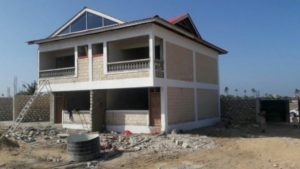
You must have seen it, that tree-lined driveway leading to an enormous palace worth a fortune atop a hill in the village. The gate is shut and unguarded, the lawn overgrown, the compound deserted and eerily quiet with termites nibbling away at the mahogany door frames.

The owner, a local boy/girl who resides abroad pops in once in a while and save for that visit once every 1-3 years when the place is spruced up and lived in for a couple of weeks, the reclusive mansion is millions rusting with disuse. It’s home for bats and famished cockroaches, mosquitoes, rats, wasps and spiders. Why do diasporans and Kenyans living in the cities sink millions into village residences that they have no use for?

Apparently, some cultures dictate that sons must put up huge edifices back in the village, even when they virtually spend their entire lives abroad or in the city. It is all about cultural attachments and status.

“Why spend lots of money on a property in the village that has no resale value and no rental income? They are largely for prestige and to prove one’s status. When a father gives his sons inheritance, he expects them to put up houses, even when they don’t need them, in the village. So this trend will be hard to shake off, says Daniel Ojijo, the Executive Chairman Homes Universal Limited.

Former Information and Communication Permanent Secretary, Dr Bitange Ndemo, is one of those who regrets putting up a multi-million shilling house that he has used only twice in 15 years.

“I began to regret why I put up a house in my rural home, while I suffered in the city. The house was dead capital. I could not rent it out to anyone, yet I had to pay somebody to take care of it. This is not just my story. It is the story of Africa’s investment decisions and mixed priorities,” Dr Ndemo wrote in a local daily.

While a clique of Kenyans have lived in cities and abroad for decades without even a mud-walled hut in the village, others borrow huge loans to put up ‘palaces’ that remain idle.

Dr Aquilars Kalio, an Egerton University Economics lecturer, observes that whereas it is important to have a house in the countryside which is the final resting place for many Kenyans, having a big, unoccupied house does not make economic sense.

“It is all about yearning for respect from peers and to be conspicuous in the village; to feel good when people point at the mansion and say, ‘That is so and so’s house’,” says Dr Kalio.

Interestingly, Dr Ndemo links what he calls ‘dead capital’ running into hundreds billions to death. Indeed, many spend the better part of their lives abroad or the high-end parts of the city in Lavington, Runda and Muthaiga, as their humongous houses remain desolate for ages until they are hurriedly spruced for burial ceremonies.

“It is a home where you will be buried. It is said that you will embarrass the clan when you to die and you have no home. Africa is preoccupied with death even when the living cannot feed themselves. Of what sense is it when someone puts up a Sh20 million home in a rural area only for the relatives to raise money to pay school fees for children after his death? These are houses that no one will buy, sell or rent because graves dot the homestead. What is the value of culture?” poses Dr Ndemo.

But Dr Kalio says some of these homes are built by people who could be disposing off ill-gotten wealth. He says people who steal money get confused and become irrational. They dispose of it by erecting white elephants, a mistake, he says ‘real’ billionaires never make.

This article first appeared on sde.com

Loading

read more
1 87 88 89 90 91 93
Page 89 of 93