close
Diaspora Matters

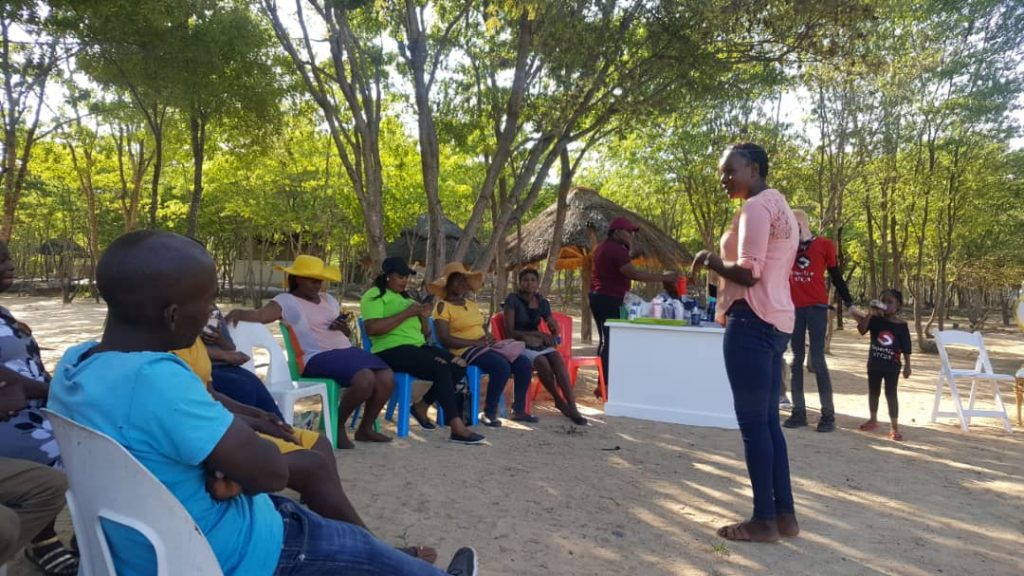
Suburb Specific Meetings Photos

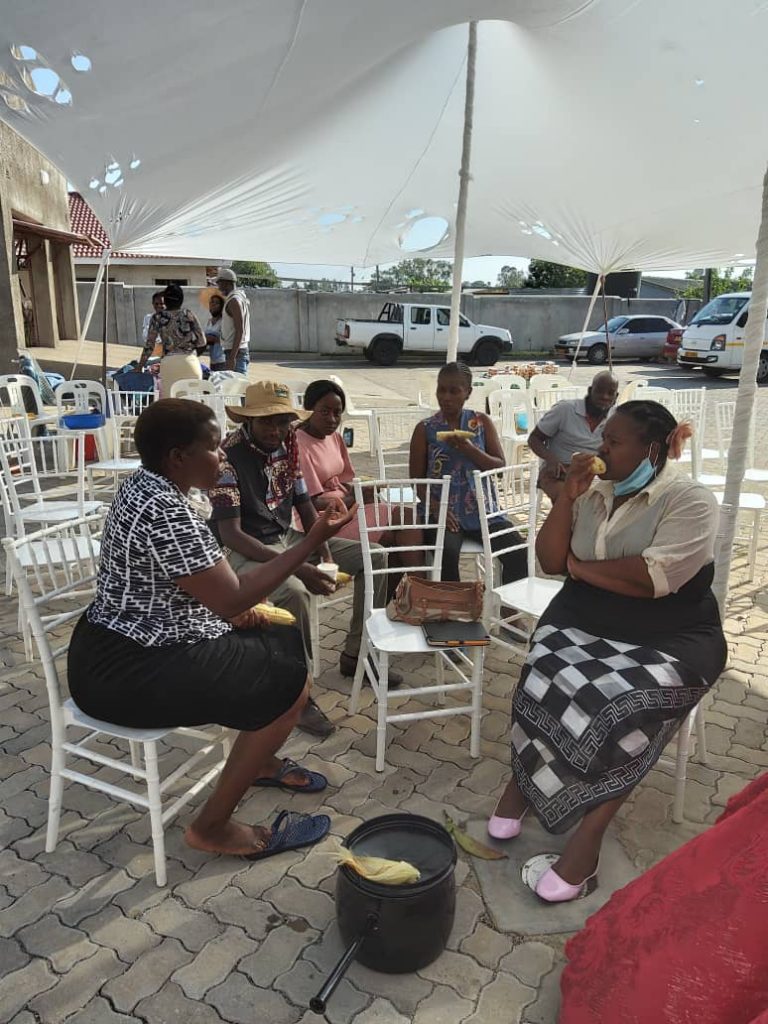
Ruwa 2

The fastest growing sector in Zimbabwe is no doubt entrepreneurship! It is attracting all ages, sexes, the employed and unemployed, pensioners, locals and diasporans–almost the whole nation is interested in entrepreneurship.

With Zimbabwe having the second largest informal sector in the world after Bolivia, it is no surprise why the buzz word around the country is how to make income!

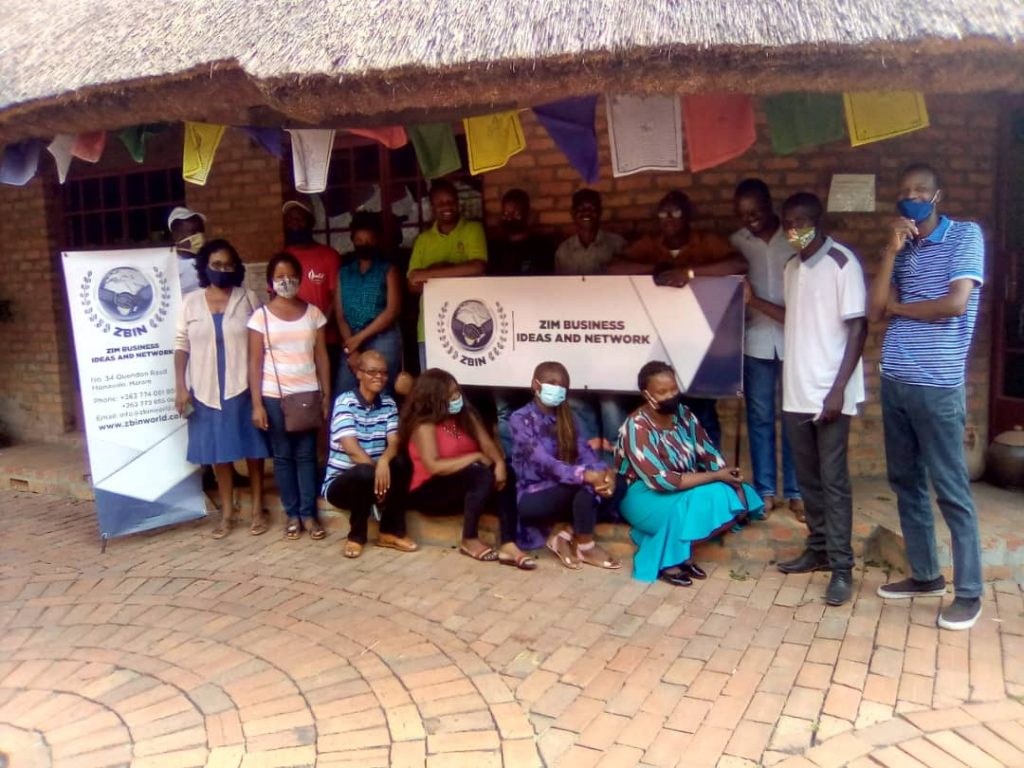
Our forum is at the heart of entrepreneurship with more than 92,000 members and growing. The focus has been networking members to unlock opportunities. Is it easy to network members? It is a tall order–a surmountable task. We are trying to do the impossible!

However we have registered great progress starting with record attendances at our meetings in February and March before Covid-19 derailed plans. We picked the pieces in October with a record attendance of our Seke Tour.

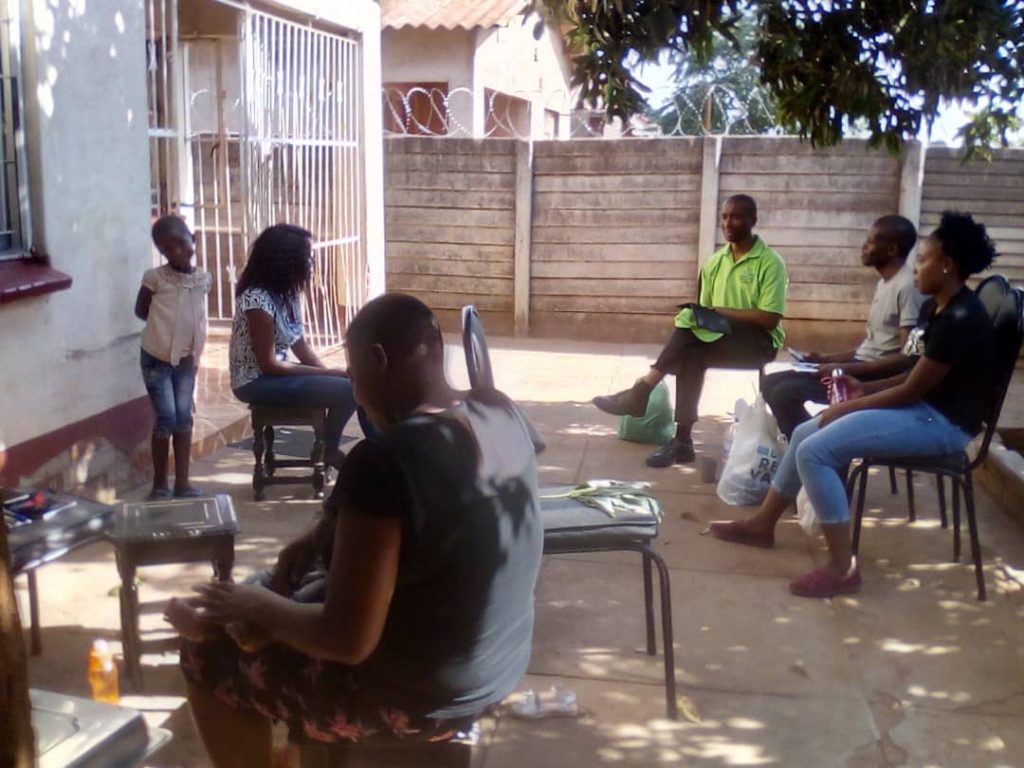
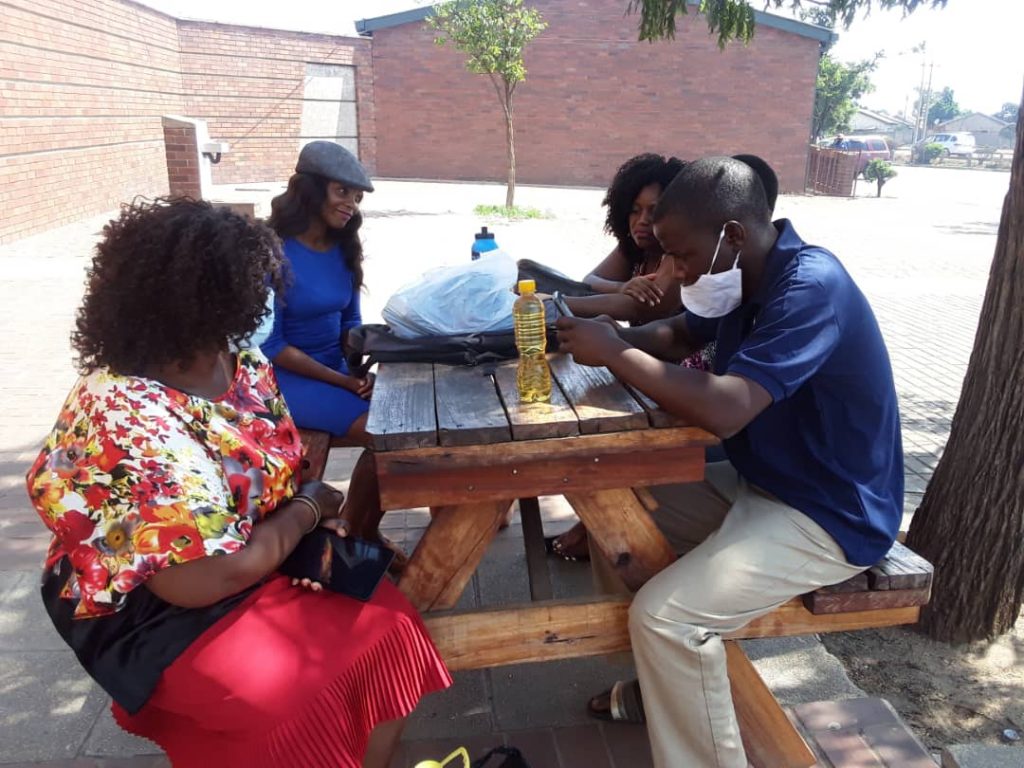
Inorder to comply with Covid-19 regulations, we have empowered members to network in their areas of residence and this is likely to pay huge dividends as members link up for business opportunities in clusters and also get a chance to market their businesses.

The attendance has been impressive and with time, Zimbabwe will have plenty of business meetings and fairs–some from our forums and the majority from others.

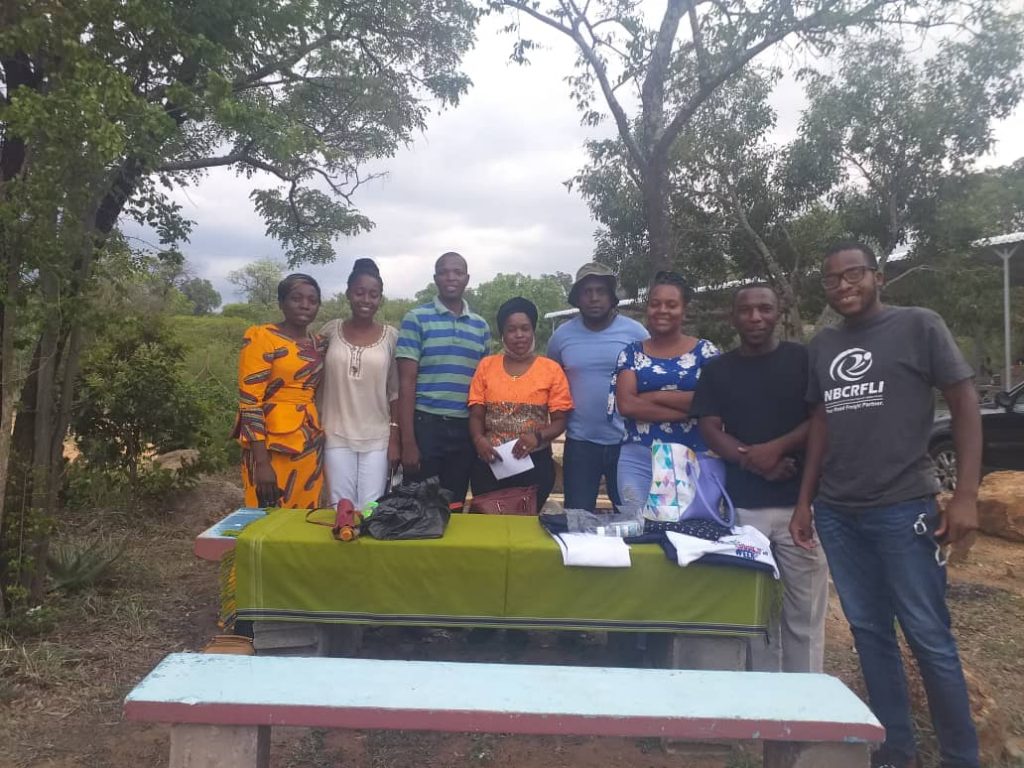
Below we showcase some of the photos from our weekend meetings.
ZBIN Bulawayo
ZBIN Chitungwiza
ZBIN Warren Park
ZBIN Budiriro, Glenview & Mufakose
ZBIN Harare West
ZBIN Kuwadzana
ZBIN Ruwa

Loading

read more
Diaspora Matters

Redesigning Accounting Degree Programmes

accounts

So I just got an inquiry from an accounting student looking for industrial attachment which means I had an opportunity to review the subjects he studied at college. Nothing much has changed from what I studied some years back in the first year—principles of accounts and economics, business communication, introduction to business law, business management, ICT, business mathematics etc. An  interesting addition is entrepreneurship.

Not bad at all for first years but students are likely to focus more on theory and by the time they complete studies, some of the concepts would have been technically erased from their memories. Not sure why marketing was removed and yet is the engine room of business!

Recommendation

Principles of accounting could be improved by taking students to the stock exchange and observing how is works, how companies raise funds, presentation of financial statements, rules and regulations. Tours to stock brokers and appreciating their roles in participation on the stock exchange.

Tours to a selected big firms to observe financial statements, interviews with finance managers in practice—what they do, their output etc. The connection of the work they do with the stock exchange and other relevant regulatory bodies.

A tour to accounting and auditing firms—knowledge of the work they do, audit work papers and auditing systems and the connection of auditing to the whole business system.

In second semester students are introduced to principles of accounts—thedebit and credits, T accounts, ledgers and journals, Trial Balance, Profit and Loss, Balance Sheet and supporting notes. They refer the knowledge to the big picture of the tours conducted.

Expected Outputs: Students produce at least 3 financial statements (financial reports and management accounts) of industries of their choice—Mining, Financial Services, Manufacturing, NGOs, Public Services and Small Business Sector.

The output marries to business law, business mathematics, research methods, principles of economics, business management, marketing, entrepreneurship and other subjects studied during the first year.

The above project ensures the student has an overview of the accounting role especially the practical side. They have knowledge of practical accounting—inputting data into accounting systems, receipting, invoicing, payment voucher preparations, bank reconciliations up to financial statements.

The second year builds on the practical knowledge studied with students being inspired to develop own accounting systems, own auditing softwares, mobile apps, knowledge of how to open own accounting firms, investment firms, how to assist the SMEs with finance services. Knowledge and skills of latest developments in the finance field. Add more depth to principles of accounts with Accounting 11 concepts, Management Accounting, Auditing, Tax, ICT and more.

The current educational model produces students who are not fully aware of the outside environment. Yes there is industrial attachment but few students are getting access to internship opportunities. Those fortunate to obtain industrial attachment experience are often relegated to periphery roles such as receipting, vouching, journal processing and bank reconciliations. Few students get opportunities to appreciate the full cycle of the finance function.

What are the opportunities in the accounting field outside formal employment? A question many local accounting graduates struggle with. So accounting and auditing lecturers need to reconsider how they are delivering lectures. Instead of cramming accounting concepts with most of them forgotten or obsolete after a few years from graduation—graduates should be empowered to start own ventures, solve local problems, develop own accounting systems, assist the SMEs, tap into 4IR opportunities, social skills to network for opportunities.

Loading

read more
1 16 17 18 19 20 90
Page 18 of 90