





close

Diaspora Matters

Diaspora Matters

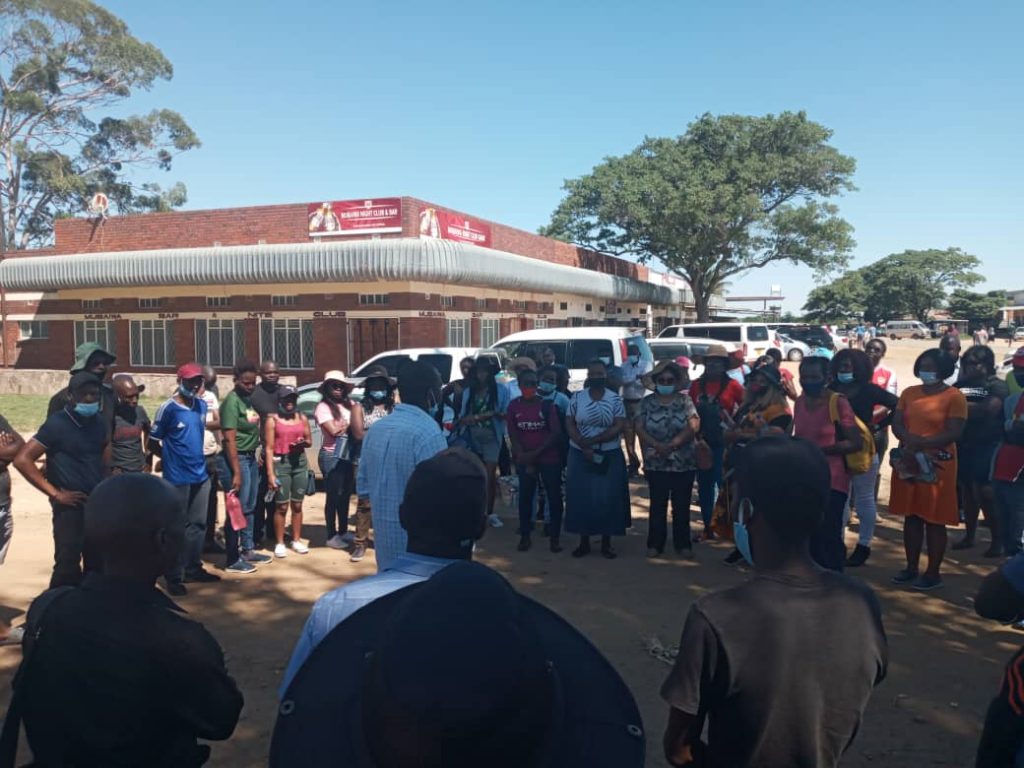
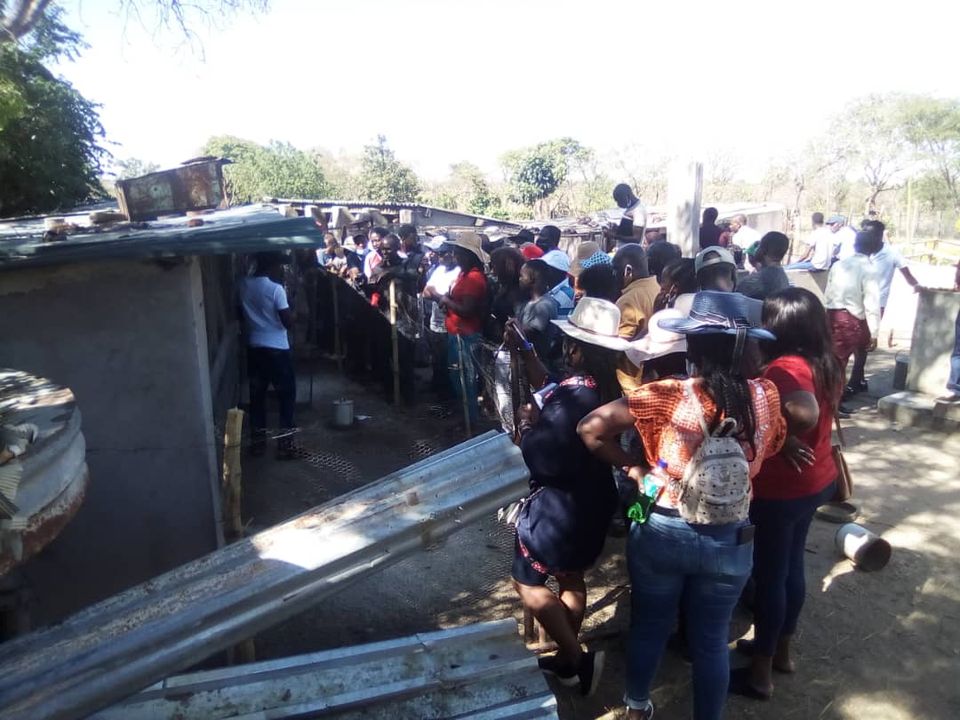
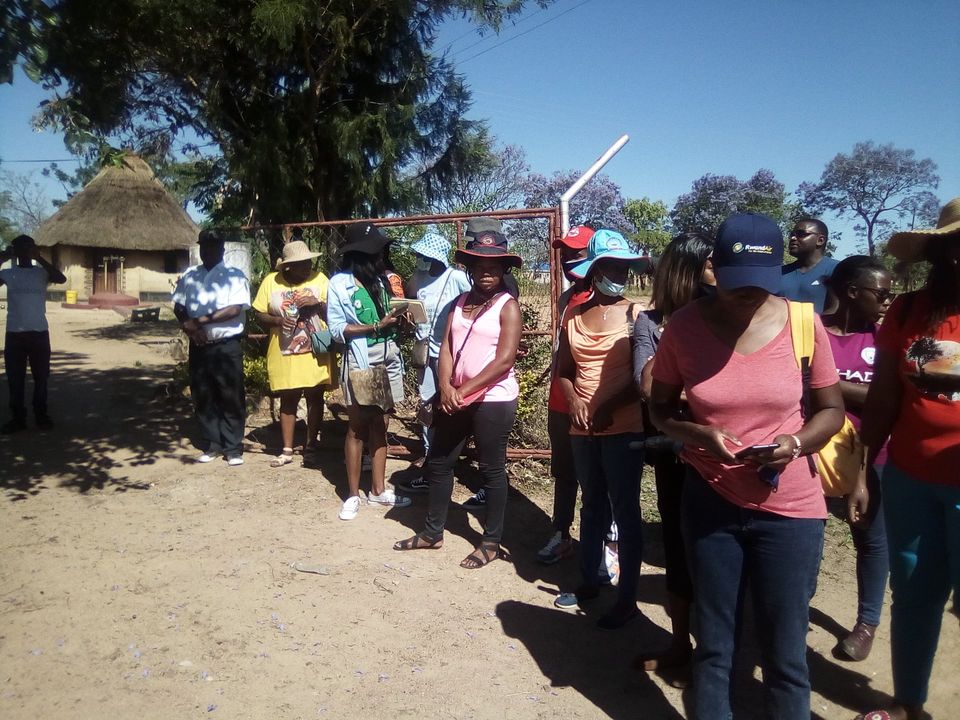
Seke Business Tour in Pictures

Seke m 11

This may turn out to be the best business tour by locals in 2020. The forum has a lot of support by members and when we organise events, they turn out in huge numbers. We feel humbled by your support Zbinites and below we feature some of your photos from the tour.

The transport logistics centre was Karigamombe

We were all heading to Dema in Seke
Our convoy of cars numbered more than 25
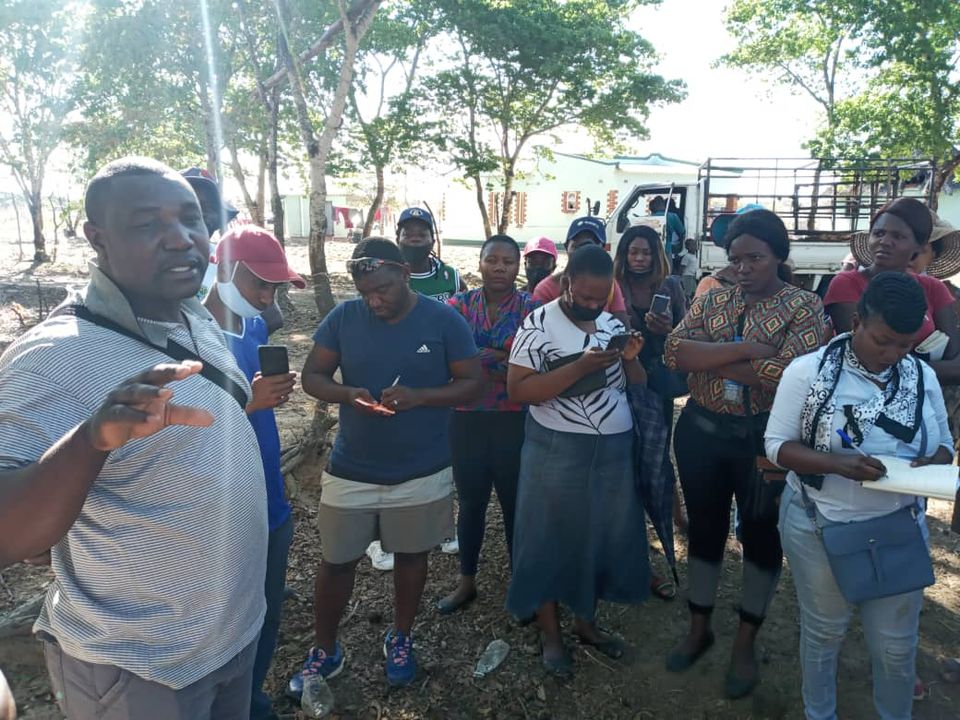
Our first project tour of piggery and poultry run by Mr Mombeshora
Warm Welcome by Mr Mombeshora

Who says rural land is of little value?
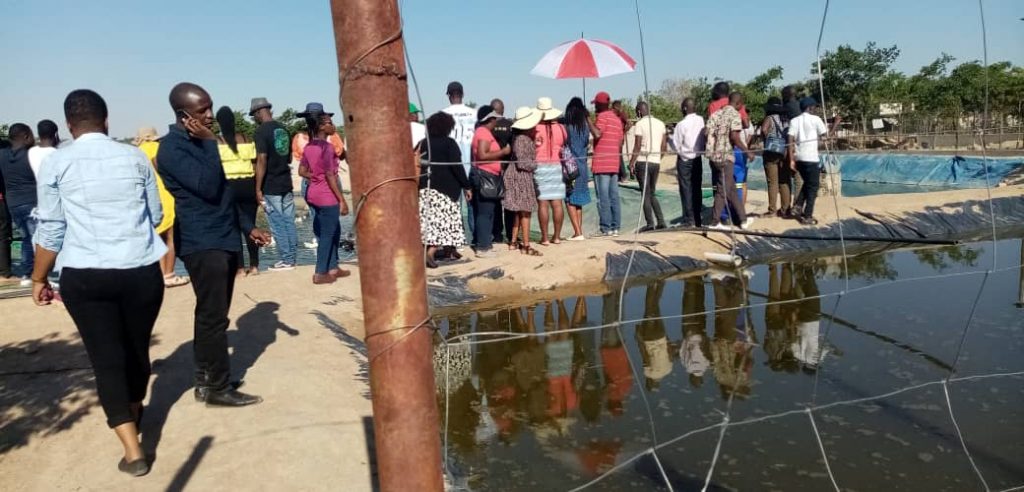
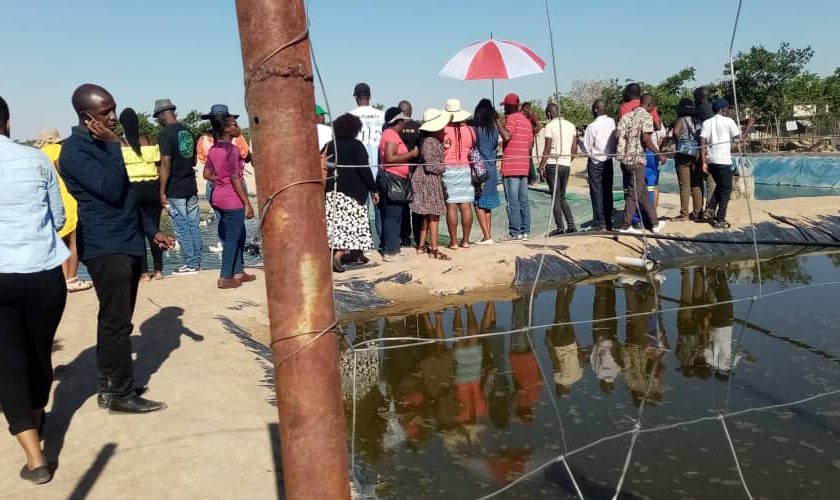
These members do not agree that rural land is of little value
The team from Mufakose & Warren Park
Another team toured a cattle and rearing project
Now thats a real definition of a tour!
We meant business#

Loading

read more
Diaspora Matters

Seke Business Tour Part 1

seke

Let’s admit it, times are tough and no one has the luxury of attending a business tour more than 40 kilometres from the capital. Transport fares, fuel costs, tollgate fees, food costs and more –but the numbers we witnessed yesterday simply unbelievable—ZBIN is now a force to reckon with in business circles. We set a new benchmark on business tours!

Credit goes to everyone who turned up,

  1. The organiser of the tour Mr Mombeshora
  2. Farmers who allowed the forum free access to the forum
  3. The councillor of the area and of course,
  4. Coordinating team—Hopemary Mombeshora, Fadzai Katandika, Lisa Mufanebadza and Darlington Letala
  5. Zbinites who provided transport for the members
  6. Honourable Rubatika

Our last local tour in 2018 had 7 members touring Melfort but this latest one was simply amazing—massive turn out! There is strong hunger for entrepreneurship in the country and relevant stakeholders should review current strategies of supporting  the sector.

Seke Rural

Thousands of people travel along the Seke/Wedza Road every year. They witness pockets of beautiful homes and some projects—nothing new really—urbanisation of rural areas is ongoing countrywide. However do not be deceived by what you observe along the roads for deeper in communities, far from the roads is where awesome projects are taking place. They are taking place far from the public eye and our forum managed to get rare access to some of the most successful projects.

Piggery Project by Mr Mombeshora

You will not make profits from buying feed from shops—rather buy maize immediately after harvest when its cheap—keep the maize for making concentrates!

Much more was shared by Mr Mombeshora who is a successful piggery farmer who also rears road runners. Look out for the pictures of his project. Will do enough justice in future posts.

Fish Farming

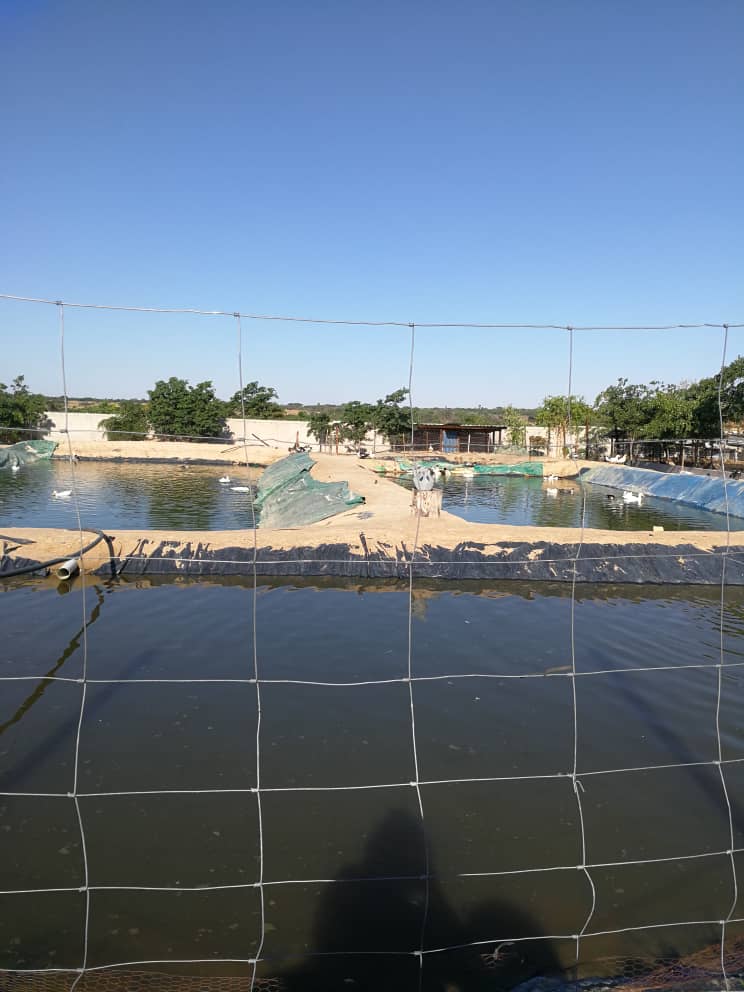
The second project toured was the fish project and vanhu varkuita zvinorova maSeke umu! Unoti haa….zvichiri zvekumusha here  izvi? Several fish ponds, generators and a borehole to pump water. The whole property durawalled and constant income for the owner. Youngsters from college who feel farming is for old people need to visit this project for inspiration.

Goat and Cattle Rearing Project

Due to time constraints, we had to split the tour teams into 2, with the larger group touring the fishery project and the smaller group heading 12km away to tour the cattle and goat rearing project. Lisa Ngirish coming up with the report.

Member  of Parliament Honour:

We were hosted by the Member of Parliament of the area Hon Rubatika. A business man in the area and the biggest opportunity he mentioned should perhaps remain under wraps. Our women’s forum are you there? Discuss how you can use crowdfunding to grab the opportunity—include men and the rest of the forum later—develop a business plan and then apply for the opportunity.

Although the forum hosts a number of parliamentarians from across the political divide, this was the first time ever to be hosted by a parliamentarian and he did not disappoint with a pot of mazondo for forum members. Ainaka here mazondo lol

Of course we will not forget the local councillor and approval processes by the local police. Honourable Rubatika will be added to a few groups such as Agriculture, Tourism Opportunities and the Subscribed group.

BUT the tour was meant to inspire you, now its action, action and more action—action alone, action with friends, action with crowdfunding….we should be touring projects inspired by this tour.

The good news is ZBIN is now a well oiled forum, you might not see much on the forums but when it comes to events, members turn out in large numbers.

Keep it up guys and may your ventures be BLESSED Abundantly

More news on follow up events coming

Makadadisa Zbinites rambai makadero#

Loading

read more
Diaspora Matters

Redesigning Accounting Degree Programmes

accounts

So I just got an inquiry from an accounting student looking for industrial attachment which means I had an opportunity to review the subjects he studied at college. Nothing much has changed from what I studied some years back in the first year—principles of accounts and economics, business communication, introduction to business law, business management, ICT, business mathematics etc. An  interesting addition is entrepreneurship.

Not bad at all for first years but students are likely to focus more on theory and by the time they complete studies, some of the concepts would have been technically erased from their memories. Not sure why marketing was removed and yet is the engine room of business!

Recommendation

Principles of accounting could be improved by taking students to the stock exchange and observing how is works, how companies raise funds, presentation of financial statements, rules and regulations. Tours to stock brokers and appreciating their roles in participation on the stock exchange.

Tours to a selected big firms to observe financial statements, interviews with finance managers in practice—what they do, their output etc. The connection of the work they do with the stock exchange and other relevant regulatory bodies.

A tour to accounting and auditing firms—knowledge of the work they do, audit work papers and auditing systems and the connection of auditing to the whole business system.

In second semester students are introduced to principles of accounts—thedebit and credits, T accounts, ledgers and journals, Trial Balance, Profit and Loss, Balance Sheet and supporting notes. They refer the knowledge to the big picture of the tours conducted.

Expected Outputs: Students produce at least 3 financial statements (financial reports and management accounts) of industries of their choice—Mining, Financial Services, Manufacturing, NGOs, Public Services and Small Business Sector.

The output marries to business law, business mathematics, research methods, principles of economics, business management, marketing, entrepreneurship and other subjects studied during the first year.

The above project ensures the student has an overview of the accounting role especially the practical side. They have knowledge of practical accounting—inputting data into accounting systems, receipting, invoicing, payment voucher preparations, bank reconciliations up to financial statements.

The second year builds on the practical knowledge studied with students being inspired to develop own accounting systems, own auditing softwares, mobile apps, knowledge of how to open own accounting firms, investment firms, how to assist the SMEs with finance services. Knowledge and skills of latest developments in the finance field. Add more depth to principles of accounts with Accounting 11 concepts, Management Accounting, Auditing, Tax, ICT and more.

The current educational model produces students who are not fully aware of the outside environment. Yes there is industrial attachment but few students are getting access to internship opportunities. Those fortunate to obtain industrial attachment experience are often relegated to periphery roles such as receipting, vouching, journal processing and bank reconciliations. Few students get opportunities to appreciate the full cycle of the finance function.

What are the opportunities in the accounting field outside formal employment? A question many local accounting graduates struggle with. So accounting and auditing lecturers need to reconsider how they are delivering lectures. Instead of cramming accounting concepts with most of them forgotten or obsolete after a few years from graduation—graduates should be empowered to start own ventures, solve local problems, develop own accounting systems, assist the SMEs, tap into 4IR opportunities, social skills to network for opportunities.

Loading

read more
Diaspora Matters

ZBIN Crowdfunding Projects

Mealie meal

We have developed strong business relationships over the past 5 years with constant business posts, discussions, trainings, book compilations and also various events such as meetings and tours. In the process becoming the biggest online hub of entrepreneurs in the country.

The next strategy is converting the strong business relationships into meaningful business partnerships including raising capital for businesses. Banks are not in a position to avail funding to start-ups without stringent collateral requirements. Donors are also not forthcoming as entrepreneurship support is not a priority. So entrepreneurs are on their own and have to innovate or die.

Our crowdfunding initiatives have been gathering momentum with a few companies formed and others in the pipeline and they include;

  • Rabbits International: A company that raised funds to start rabbits rearing
  • Agri-volution: A company of 30 shareholders who raised funds to kick start a cattle rearing project.
  • Big Ideas Galore: A company formed by members based in South Africa for investment purposes.
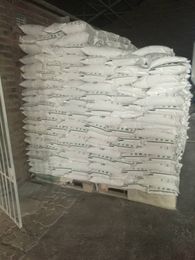
  • Nutricio: A mealie meal production company formed in September a month later already producing mealie meal for sale. The company raised US$10k
  • Borehole Project: A company in the pipeline that seeks to raise US$100k to purchase a drilling rig for members.

A ZBIN Runner Project that seeks to facilitate the imports and exports of goods from Zimbabwe to South Africa is already underway. In Bulawayo a brick moulding project is at feasibility stage.

Our women’s forum has 3 projects of rearing goats, agro processing and microfinance.

Our relationships investment paying dividends as members identify opportunities—pool resources and form companies. Some of the members participating in projects are dotted across the globe such as UK, Dubai, RSA, USA and Zimbabwe. Distance is no longer an issue due to use of digital platforms to conduct meetings.

The good news is the desire to invest in Zimbabwe by our sons and daughters in the diaspora. Of course the challenge is running into dubious schemes where funds can be misused! This is why we have emphasis on transparency and stewardship of resources. Members are involved in company formations, shareholders selections and setting up of organisational systems that protect investments.

It’s still early days but we expect an explosion in crowdfunding next year across the country especially as results start coming up. The risk is some may use crowdfunding to create ponzi schemes!

Financial institutions are also encouraged to do more researches and come up with packages that support crowdfunding just like stokvel packages in South Africa. The risk is always—will forex banked locally not be converted to other currencies?

Loading

read more
Diaspora Matters

Chitown Home Demolitions and Real Estate Literacy

raz

Oh No—Another round of illegal homes demolitions coming up? How many times will homes continue to be built and destroyed? What proportion of the GDP destroyed? Why is there no solution in sight to the problem of illegal settlements?

The Chitungwiza Town Council has issued a public notice of intention to demolish tens of homes and structures built illegally around the time. The first question is why are there no mechanisms to detect and take corrective action before structures are built?

Why not destroy foundations instead of complete homes? Why wait for tens of homes to spring up with tenants moving in and taking residence for several years? Who is responsible for monitoring illegal structures?

How do you verify you are building on bona fide areas? How do you buy residential stands?

Nodoubt the biggest scam of the century—this area has the highest rate of scammers and figures involved are huge. From fake stands to that are built and late demolished—there is just no end in sight to the madness.

Where are residents trusts? What roles are they playing in sensitising the public about illegal structures?

Who is behind the selling of the land to desperate home seekers? Are these land barons ever taken to task for loss of property and investment? Do we have tight laws that punish those that sell illegal land? Should the laws not be tightened to come up with stiffer penalties?

You need to travel along Highglen Road and witness an illegal settlement taking shape opposite the Highglen Shopping Centre. Everything about the area is WRITTEN ILLEGAL but thousands of Harare residents witness the madness including local MPs and councillors. Harare City Officials are aware of the illegal development but looking aside.

It may take them some years to take action BUT why not stop the madness now?Why not destroy foundations and cabins now rather than later?

No doubt many questions than answers as this is a perennial problem loaded with a lot of benefits for the unscrupulous!

Each year new generations come—new people come from rural areas and some returning from the diaspora. These groups are easy prey to illegal settlement land barons. These new people are oblivious to past demolitions experiences and therefore one area can witness successive built ups and demolitions over a prolonged period of time.

We let you build, we let you develop confidence, we even connect electricity lines before coming with bulldozers? This seems the message from local authorities.

For every illegal settlement demolished, there is need for an aircraft disaster review. Who allowed the built up? Who was responsible for monitoring? Why did they turn blind to the problem? Did they benefit from the confusion?

As for the public, some build homes on illegal land knowingly with some setting up nice homes to attract the unsuspecting and gullible—there is also a large percentage of those who sheepishly join the slaughter.

How do we protect those getting burnt for the first time? At schools and colleges, we need Real Estate Literacy—how to buy property, where, why etc. What is an infill stand, what is a title deed, how do people invest in real estate, how do they lose money in real estate etc

The greatest ponzi scheme in Zimbabwe is found in Real Estate and the gap of knowledge means more and more people will keep losing valuable possessions and funds.

Those homes to be demolished in Chitown wont be the last. In the next 5-10 years, expect new homes to crop up on the same grounds and also meeting the same fate. It makes no sense#

From the ZBIN Ponzi Scheme Handbook

Loading

read more
Diaspora Matters

Entrepreneurship in Zimbabwe and Investment Portfolios

zalo

We have started compiling our 2021Business Opportunities Book and the edition will comer ealier than previous ones. In the book we will feature entrepreneurs in business from the forum focusing on lessons learnt. We will also include tonnes of trending opportunities in the country and also including some researches and analysis.

Zimbabwe has the second largest informal sector in the world with 60% of the population actively involved in the sector and we come second to Bolivia which is at 63%. Of course these are outdated statistics from a survey conducted by IMF in 2012. Chances are high that the rate should have increased or even overtaking Bolivia.

The Covid-19 pandemic has exerted more pressure on the economy with low disposable incomes and job losses. The sector is absorbing everyone who experiences low incomes or job losses. For university graduates, this is the sector of choice as fewer jobs are being created than the number of graduates churned by the formal educational system.

Investment Portfolio and Options

If you are investing in Zimbabwe then you need to consider the following time horizons;

The short term: You need to generate money on a constant basis—preferably a daily basis. This is the most popular time period in the country characterised by kombis, mshikashikas, vending, small scale gold mining, poultry farming, online forex trading, bottle stores, tuckshops, second hand clothes bales, money changing, vehicles selling, rabbit rearing, goat rearing, cross border activities and more. This sector has low investment implying little barriers to entry and exit. Profit margins low and in most cases operators have to be involved in running battles with authorities.  An investor in Zimbabwe needs at least one short run business venture for survival purposes.

Medium term: The short term cannot be relied upon for sustainable operations and should therefore be viewed as a stop gap investment venture. One needs a more stable business venture and this is where long term farming such as tobacco, maize, paw paw, cattle rearing, small scale manufacturing, agro-processing, trucks and others come in. This sector is less susceptible to shocks from the environment such as new statutory instruments coming in, Covid-19 or other pandemics and cyclones. One needs to invest more in this sector but being cushioned by the short-term sector whilst building capital and experience from investments in the short term sector.

Long term: This takes time and builds the best sustainable investment incomes. Real Estate, Cattle ranging, bus transport, pension investment, stock exchange investment, large scale mining and manufacturing.

Lets say you are a returning diasporan and got $100k investment. This is how you may decide to invest it;

Short term: Renting a bottle store, butchery or running a tuckshop—an investment of US$5,000

Medium term: Agro-processing, Soap Manufacturing or cattle rearing—an investment of US$20,000

Long term: Borehole drilling rig, growing fresh crops for exports, constructing student accommodation—an investment of US$50,000.

Keep the remainder of the funds and assess how your investment goes. The short-run investment likely to be wiped away due to your lack of experience. The medium term can leave you with losses but ensure you remain with capital infrastructure which means you can hire it out or recuperate at a later point. The same applies to the long term.

Please note, this is just an example and it is not well researched and evidence based. Every opportunity in the country goes through cycles with growth, maturity and decline with sometimes the process repeating over and over again. Generally no low investment opportunity lasts for more than 6 months without a flood of new entries who will drive profit margins down. The bigger the flood of new entries, the more likely policy interventions are likely to come and adversely impact operations—zvihuta case in mind should ring a bell.

One crucial area to consider is how foreign nationals are investing in the country. The Chinese, Nigerians, Congolese, Indians and others. Why are foreigners interested in Zimbabwe? Which sectors bring the greatest return for them? These are the medium and long term investment opportunities.

Crucially, which sectors are being targeted by the white community for investment especially export opportunities? Most whites interested in agricultural value chains for exports to European markets.

We hope the more depth in our upcoming book will inspire you as it will include practical case studies.

Kwaheri

Loading

read more
Diaspora Matters

Premium Chat: Auto parts Startup

prts

Our forum is now a well oiled machine—when we organise events, the turn up is massive. From crowdfunding initiatives, tours, meetings and shows. The trending initiative on the forum is premium chats where members share valuable experiences and insights. This is a must watch show and yesterday our host was Patie Gumbo or Magumbo who is into car parts selling.

How did she start?

She conducted a market research of the cars in her area and the auto parts required. She figured out that the popular model was Honda Fit used as mshikashikas and the parts that quickly wear out with the car are suspension related. She networked with car owners and garages with her first break being getting parts on credit from local shops and selling to garages for cash.

Crowdfunding Model

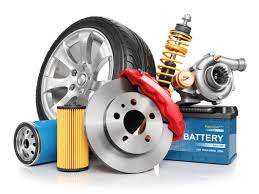
She raised capital this way before linking up with other importers of auto parts to crowdfund and order auto parts for resale. They buy auto parts worth US$18,000 and share transport expenses. The sector has one of the highest returns in the country of 300%.

But the industry is flooded?

If you have built strong networks and a reputation of delivering value for money, then you need not worry much about competition. So far so good for the former teacher turned entrepreneur.

How to import auto parts

She orders parts in countries such as Japan, Pakistan and Dubai. With her group, they have contacts in those countries who process shipments and it generally takes 3 weeks before containers arrive in the country.

There is a lot of information she shared including answering various questions from members. Awesome presentation and selfless dedication to inspire members with hard to access information.

Next week we get another presenter covering a different topic.

Loading

read more
Diaspora Matters

Growing Commercial Chillies “Mhiripiri”

bty

Almost every household in Zimbabwe has a small garden in their back yard. In that backyard garden amongst the popular “covo” plants there is always that short perennial “Mhiripiri”, chillies plant that seems to live on forever even though it is not irrigated much. Generally chillies are popular especially with those that take the wise waters “beer” with their braiii or tshisanyama. That is as far as most people think of chillies. Chillies are now grown commercially in Zimbabwe for local processing and more importantly for the fresh export market, the latter being the core of this article.

  1. Basic requirements

The major markets for chillies are in the EU and exporting to EU member countries require that the primary producer be Global Gap certified at the very least, so you will need to have GGAP certificate.

  • What is the best climatic condition to grow chillies?

Chillies do well under hot and humid climatic conditions. In Zimbabwe we are blessed to have such climatic conditions in most parts of the country and can almost be grown all year round. The crop is prone to frost damage and should not be grown in areas that are usually hit by frost, the reproductive phase of the crop tends to shut down during winter if cold temperatures persist.

  • Special requirement

Chillies are prone to attack by false codling moth which is a pest of economic importance. This pest is considered a red flag in the EU and any shipment found with the pest is condemned and destroyed. To prevent this, each field needs to be inspected and certified free on the pest by the plant quarantine services which is a government department this is a free service the last time I checked.

  • Do I need much labour to manage the crop?

You will need to have a good labour pool especially at the harvesting stage. The crop quickly ripens when the temperatures are hot and thrives under these conditions, late picking will result in moisture loss, drop in quality and fresh weight.

  • Do I need a cold chain?

Just like any fresh produce business yes you will need to maintain a cold chain to preserve crop quality as quality is king in fresh export. You will need to keep the crop cool from time of harvest to time of delivery at the market.

  • Planting and nursery

Because of the hefty cost of the seed it is wise to send seed to a reputable nursery for growing which will take about 12 -13 weeks before seedlings are ready for transplant (Nursery costs take a huge chunk of the budget because of the length at the nursery). Plant will take about 16 weeks to mature and you will pick continuously for 3-5 months depending on variety.

Finance based on 1 ha at modest yield

  1. Expected yield 6 tonnes/ha (worst case scenario),Average yield is at 8 tonnes/ha, yield has reached 19tonnes/ha in a good season in Zimbabwe. Remember this is an irrigated crop hence chances of success are higher.
  2. Investment is approximately 6 000 USD with a return of 10 000USD giving a profit of about 4 000USD/ha. Remember this is based on a modest yield of 7 tonnes/ha of which the farmer can easily surpass with good crop management. Where else do you get a return on your investment with such a good percentage? not even in a bank.
  3. Word of caution just like in any business there are a thousand things that could go wrong in a farming enterprise and hence careful thought should be given before jumping into this business.

Marketing

Getting direct access to the market is a challenge and the best-case scenario for farmers in Zimbabwe would be to grow the crop on contract with reputable companies. Zimtrade can assist with giving direction on such companies.

Perhaps I need to also mention that the crop requires a fair amount of expertise to grow well to get the required yields hence do not spare a penny in getting technical advice from professional agronomists. The figures look very enticing on paper but require special dedication to achieve.  In conclusion if you are in search of a crop to grow why not try growing chillies for the export market. Join us next time as we discuss growing sunflowers.

Emmanuel is a qualified Agronomist and Agribusiness specialist with more than a decade’s experience working in the agri-business industry and development sector. You can contact him on edndsep@gmail.com or WhatsApp on 0783495396

Loading

read more
Diaspora Matters

ZBIN Premium Talks: Maputo Opportunities

maputro

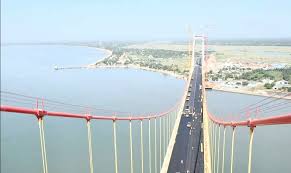
Our third premium talk yesterday was conducted by Charity Kanosvamhira a Zbinite based in Maputo and conclusion? Priceless…Remember Mozambique recently discovered oil and gas worth an estimated US$130 billion with drilling set ups already under way. The news has attracted plenty of investors from far and wide. There is so much optimism with a lot of infrastructure development underway. This is the most optimistic country in the region when it comes to investment although on a flipside some insurgents in the North are causing all sorts of havoc.

Key Points

  • Agriculture –massive potential in cattle rearing, piggery, poultry, onions, tomatoes and oranges. Most of these products imported from South Africa but the Mozambique Government giving land and supporting farmers.
  • Construction—massive boom, there is a construction explosion in Maputo, probably the fastest expanding city in SADC. Zimbos benefiting too but its not enough. Hotels, residential and commercial properties. Builders, welders and other artisans—open cheque there for you.
  • International Schools—Students are treated as clients! Teachers should ensure that students pass locals exams. They inform students what is coming in exams and ensure every student passes exams. For this reason, the Zimbo expat community prefers Zimbo education or sending their children to Swaziland for education. If you crowdfund and set up a boarding school in Maputo with Zimbo educational standards then wapinda!
  • Events Management—Opportunities for those interested in events management including consultancies for companies setting up  in Maputo interested in hiring employees or familiarisation with Mozambique systems.
  • Traffic to Maputo—there are 3 buses that leave Mbare every Wednesday and Saturday  headed for Maputo through the Sango border. Two buses leave Mbare taking passengers to the border at the same time. Expect more buses in future heading the same direction.
  • Two gas plants constructed in Maputo as the city taps into newly found gas reserves offshore. Opportunities Red flag—If a gas plant is constructed in Beira then new opportunities for Zimbo traders. Most of our gas imported from South Africa but South Africa does not have gas fields—so watch closely developments in this new venture.
  • Insurgents in Cabo Delgado—yes there is war in Mozambique but its mainly concentrated in the mineral rich provincio of Cabo Delgado to the far Northern region bordering Tanzania. The distance between Maputo and Cabo Delgado is like Harare and Durban. Our oil trucks ferrying fuel from Beira are currently doing so safely. Some Zimbo  engineers are also working on the gas and oil rig plants in Cabo Delgado and Maputo.
  • Nigerian Entrepreneurs—they own most of the tuckshops in Maputo which sell goods at a much cheaper price than leading retail shops such as SPAR. They are joined by the Rwandese and Burundians.
  • Expat Salaries—Mozambique now preferring their own expertise with expats being replaced by locals. Some expats now resorting to getting Mozambican citizenship. Please note that there are no USD salaries in Maputo—you get paid in Meticais and convert to USD.
  • Traffic to Swaziland(Eswatini)—there is growing traffic of Zimbos heading to Eswatini with even a kombi owned by a Zimbo based in Maputo transporting compatriots to the mountain kingdom. What business they are doing there is still under wraps.  
  • Afrikaner Community—When it comes to tapping into opportunities in Africa, our white cousins from Mzantsi come top and are followed by Nigerians with Burundians and Somalis following. The Afrikaner community has formed various investment forums. They have every reason to panic for the gas industry is going through a transformation. SA will in future lose gas  markets in Swaziland, Mozambique, Zimbabwe, Zambia, Malawi and DRC. What is worse? They will also import gas from Mozambique! Question is where are Zimbabweans?
  • Bedsheets—Maputo is a humid coastal town and there is huge demand for bedsheets and this market is ours with some Zimbo ladies exporting bedsheets over the years. They sell on credit and collecting their money after agreed periods. Well done to Zimbos!

This is just a snapshot and there is more but instead of inquiring or relying on hearsay, get yourself in Maputo and observe developments on the ground. To Zimbos in SA, Maputo is a few hours away from Jozi. Team up with others just like the Afrikaners and not be left behind.

Of course learn basic Portuguese—unlike Beira and Tete where you can get your way around using Shona, in Maputo its strictly Portuguese, few communicate in English.

Homework for Zimtrade: Mobilise Mrewa and Mtoko farmers, teach them about access to Mozambique fruit and vegetables markets. Help them to process border paper work and export their produce across Nyamapanda Border Post. It does not make sense for Tete to import fresh produce from Joburg passing through Zimbabwe and through Mrewa and Mtoko when we can easily do so in less than 2 hours.

No doubt a long article, apologies for taking your precious time but this kind of information can only be found from ZBIN—discussions, our books and website. Make a date with us for the next Premium Talk next Friday.

Muito Obrigado

Loading

read more
Diaspora Matters

Farming not a get rich quick scheme

farmers

“Looking for a farm near Harare 30km radius to rent with easy access to water”. This in now the new tag line in most social media groups as the race for horticultural farming business intensifies. With land allocation having been temporarily halted to pave way for the land audit by the state land has become a precious commodity. This is especially true for land surrounding major cities such as Harare.

Perhaps the lockdown could have had some influence on the whole scenario as people suddenly found themselves with more time on their hands to utilise .We recently conducted a random survey to find out what is trending in terms of business in Harare. Top of the list with 45.37% was farming “Kurima ma vegetables”, which means growing vegetables which loosely encompasses every fruit and vegetable you can think of. This was quite an interesting observation as global trends show that fruit and vegetables are being dumped in tonnes as there simply is no market to absorb the product. This is largely due to the Corona virus as hoteliers and restaurants which are some of the biggest absorbers of fruit and vegetables were largely closed. This brings up the question, how viable is the fruit and vegetable business right now in Zimbabwe?

The survey took us all the way to MbareMusika which is perhaps the largest fresh fruit and vegetable market in Zimbabwe. Here we found cabbages being sold at shockingly low prices of 1USD for 10 heads of cabbages. Considering the input costs this farmer would be lucky to break even and more likely to make a loss. One of the farmers 28 year old  Ronald or “Murimisi”, as he is popularly known by the touts at the market because of his high quality produce from Ruwa had this to say,” This time the market is bad, usually these touts come to my farm to buy these cabbages but not this year, the market is flooded I would rather recover something than let my produce rot, already I have run a loss by bringing produce all the way to Harare”. 

This is the case with most farmers, most farmers made the mistake of following the trend without carrying out a proper analysis. Everyone now wants to get into the fresh produce business because this is where the money is, ok no problem with that but at least do it the right way. The following questions will help you carry out a quick self-assessment.

  1. What can you grow which does well in your climate?
  2. Do you have the financial capital to run this project?
  3. Do you have the expertise to grow the crops or are you able to hire qualified person?
  4. Do you have a proper financial budget for growing the crop?
  5. Do you have a ready market for the product?

If you do not check all the boxes above, I would strongly advise you rethink before diving into the veggie business. In farming one thing is for sure if you take short cuts you are bound to fail.

Then there is a special type of farmer who has particularly good financial capital base, this one will not spare a cent often randomly buying equipment and inputs without budgeting or proper planning. Perhaps they get into it for the selfies they post on Instagram nobody knows, however when financials are done at the end of the season the farmer would have made a loss financially, no business is ever run like that. Growing crops as a hobby and not running it as a business is not sustainable, bottom line is if you are to succeed in farming, small-scale, or large-scale you need to run it as a business. Plan, invest, execute, and harvest principle should always apply.

In conclusion I think it is pertinent to emphasize that farming is not a get rich quick fix. Experienced farmers will tell you that horticulture is a capital-intensive venture and it may take you 2-3 seasons before you start realising any significant profit as you sharpen your skill and correct errors. Remember it is always a worthy investment for farmers to employ the services of a professional agronomist to plan your cropping and production to get good results.

Emmanuel is a qualified Agronomist and Development Practitioner with more than a decade’s experience working in the agri-business industry and development sector. You can contact him on edndsep@gmail.com or WhatsApp on 0783495396

Loading

read more
1 18 19 20 21 22 92
Page 20 of 92